Roaming Road Spirits is expanding its U.S. single-barrel offering to include cask-strength American whiskey, opening its stock of bourbon and rye to specialty whiskey retailers and private clubs. The brand omitted American whiskey from its 2024 debut. The program draws on Mike Gilmore's more than 20 years of barrel-selection experience in bourbon and American whiskey.
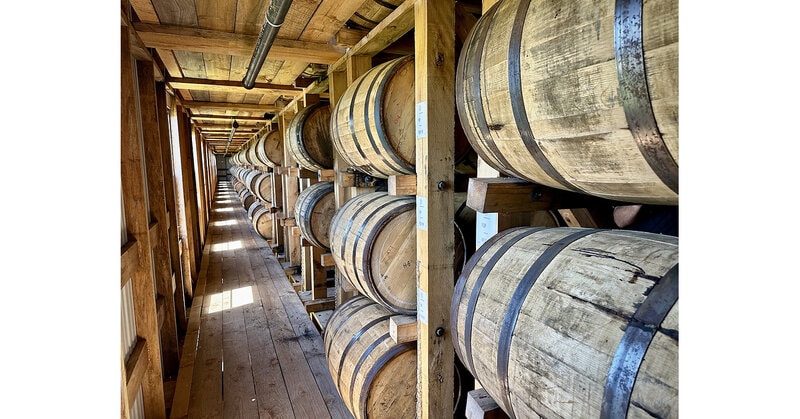
Buyers can narrow their pick by mash bill and flavor profile, then review shipped samples or taste in person at Bardstown Bourbon Company in Kentucky, where the inventory is stored. Once a barrel is chosen, cases can ship directly to a private purchaser where legal, while licensed buyers can work through standard distribution channels.
Sample shipping and Bardstown tastings turn a full-barrel order into a more manageable buy, allowing clubs and retailers to judge a cask before committing. Direct fulfillment where legal widens access beyond buyers with their own sourcing setup.
Image Credit: prweb.com
What's Driving This Trend
- Curated Barrel Access
- Specialty retailers and private clubs gain differentiated inventory through guided single-barrel programs that make premium whiskey selection more personalized and commercially distinctive.
- Remote Cask Sampling
- Shipped samples and structured tasting pathways reduce sourcing friction by letting buyers evaluate full-barrel purchases without requiring extensive travel or in-house expertise.
- Direct Spirits Fulfillment
- Legal direct-shipping models broaden access to exclusive whiskey releases, creating new routes for niche purchasers to participate in limited-batch spirits commerce.
Who This Affects Most
- American Whiskey
- Cask-strength bourbon and rye programs are reshaping premium whiskey competition by emphasizing provenance, flavor customization, and barrel-level exclusivity.
- Alcohol Retail
- Independent retailers can use private barrel selections to build localized product differentiation in a market where rare and exclusive spirits drive customer loyalty.
- Private Clubs
- Member-based buying groups are emerging as influential spirits purchasers as shared barrel ownership makes high-value, limited whiskey more accessible.