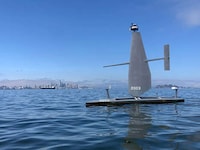
The Anti-Submarine Warfare Continuous Trail Unmanned Vessel or ACTUV is a high-tech unmanned robotic vessel, designed by DARPA, that is designed to make it possible to sniff out hostile submarines without a human crew.
Also known as the Seahunter, this 42 meter-long vessel is capable of working for months at a time. This makes it possible for the unmanned vessel to be used safely -- and in tune with international maritime laws -- at only a tenth of the cost of typical submarine-detecting vessels. The ACTUV is capable of operating for between 30 and 90 days at a time without any human crew, and can depart from and arrive back at ports autonomously.
This unmanned vessel is a great example of how operational efficiency of a maritime war vessel can be increased whilst also decreasing risk to human operators.
Key Themes Behind This Trend
- Autonomous War Vessels
- The development of unmanned vessels for maritime warfare can increase operational efficiency while decreasing risks to human operators.
- Submarine Detection Robots
- The ACTUV represents a new approach for detecting hostile submarines without human intervention.
- Long-range Unmanned Vessels
- The Seahunter can operate for extended periods of time, making it capable of tracking submarines for weeks or even months at a time.
Where This Applies
- Military Technology
- The development of autonomous robotic warships has significant disruptive innovation opportunities for military technology.
- Maritime Industry
- The use of unmanned vessels for anti-submarine warfare can provide cost savings and greater operational efficiency in the maritime industry.
- Robotic Automation
- The advancement of autonomous technology represents significant opportunities for the development of robotic automation in various industries.