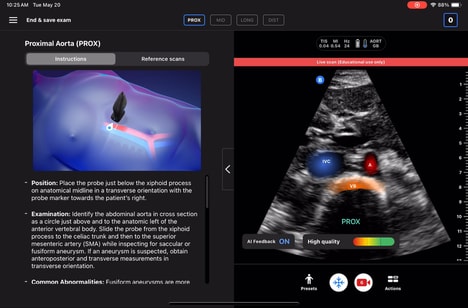
Cognitive issues are a difficult problem to deal with from both a patient and doctor perspective, but a new study from the University College London has identified that a simple ultrasound scan could help to detect them earlier.
The study has been done over a long-term basis that first began in 2002 and works by performing a scan in middle-aged adults to pinpoint potential health problems that could cause cognitive issues later on. This could help to offer healthcare professionals with up to 10 years of warning that Alzheimer's is developing to encourage changes to be made to prevent it from getting worse.
The new study from University College London was presented at the AHA Scientific Sessions conference.
Image Credit: Wavebreakmedia/Depositphotos
Key Themes Behind This Trend
- Cognitive Decline-detecting Ultrasound
- Opportunities for healthcare professionals to detect Alzheimer's up to 10 years earlier through ultrasound scans in middle-aged adults.
- Long-term Cognitive Health Monitoring
- Opportunities for healthcare professionals to monitor cognitive health in middle-aged adults over a long-term basis for identifying potential health problems that could cause cognitive issues later on.
- Preventive Healthcare
- Opportunities to focus on preventive healthcare by detecting cognitive decline early, encouraging changes to be made to prevent it from getting worse.
Where This Applies
- Healthcare Industry
- Opportunities for healthcare professionals to use ultrasound scans to detect potential cognitive issues for early intervention and treatment.
- Medical Device Industry
- Opportunities for the medical device industry to develop more advanced and precise ultrasound devices for detecting cognitive decline in middle-aged adults.
- Digital Health Industry
- Opportunities for the digital health industry to create software solutions to aid in the long-term monitoring and early detection of cognitive decline.