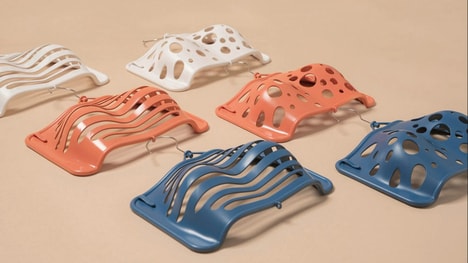
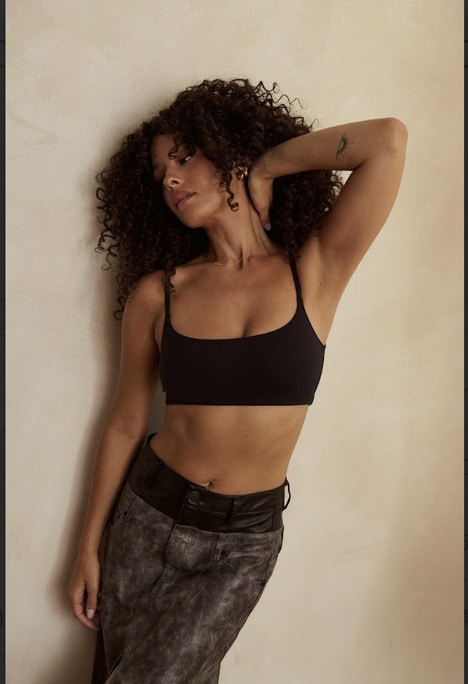
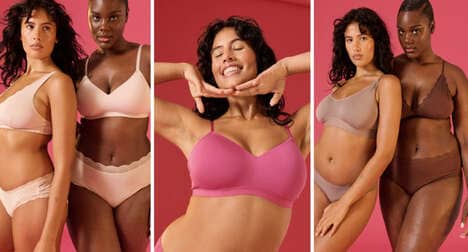
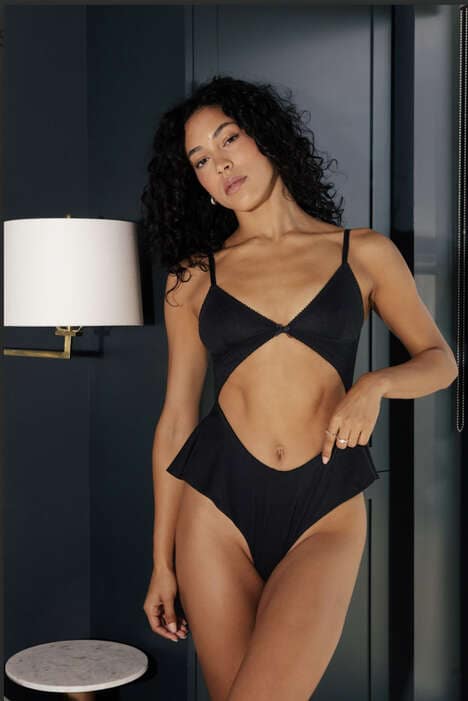
Trusst Lingerie is devoted to providing a more comfortable and supportive brazier through the use of engineering and industrial architecture. The company's founders, Sophia Berman and Laura West, were both industrial designers by trade before starting the company and they have translated their expertise into undergarments for fuller-busted women.
The inspiration for the Trusst Lingerie bra design comes from cantilevers, a structural element found in bridges. Further, the name of the company itself is a play on the word "truss," which is a key aspect of structural strength in all sort of constructions. By putting comfort and ergonomics ahead of pure aesthetics, Trusst Lingerie sets itself apart from many of the competing lingerie companies.
Trusst's bras are for fuller-busted women, with sizes that begin with an E cup.
Why This Trend Is Growing
- Cantilever-inspired Designs
- The use of cantilevers as a structural element in architectural bra designs presents opportunities for innovative and supportive undergarments.
- Industrial Design for Lingerie
- Applying principles of industrial design in the lingerie industry opens up possibilities for more comfortable and functional undergarments.
- Comfort-focused Lingerie
- The emphasis on comfort and ergonomics in bra design offers disruptive innovation opportunities to create supportive undergarments.
Industries Being Reshaped
- Lingerie
- The lingerie industry can benefit from adopting architectural and industrial design principles to create more supportive and comfortable undergarments.
- Fashion
- Integrating engineering and architectural concepts into fashion can lead to the development of innovative and functional lingerie.
- Manufacturing
- Manufacturers specializing in lingerie can leverage engineering principles to produce bras that offer superior support and comfort for fuller-busted women.