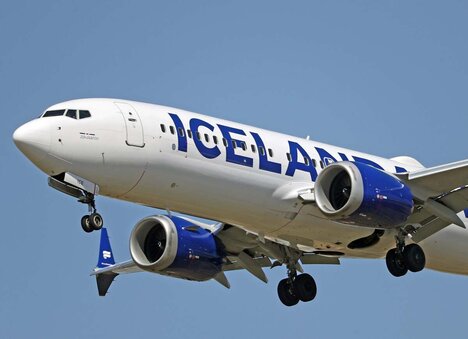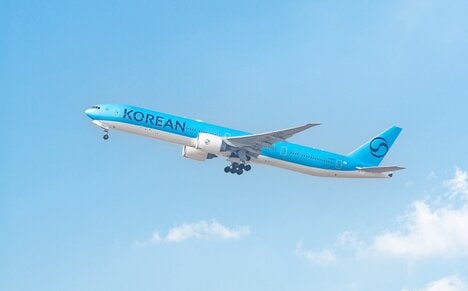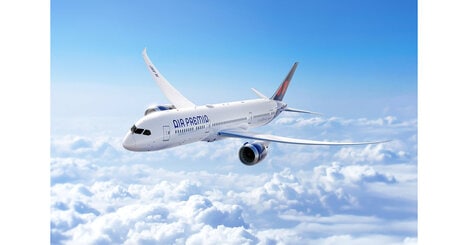
Parata Air is expanding long-haul flying for travelers between Seoul Incheon and Los Angeles with a daily route starting May 1, 2027. The service gives the small South Korean airline its first operation beyond Asia and adds another nonstop option on a city pair served only by South Korean carriers.
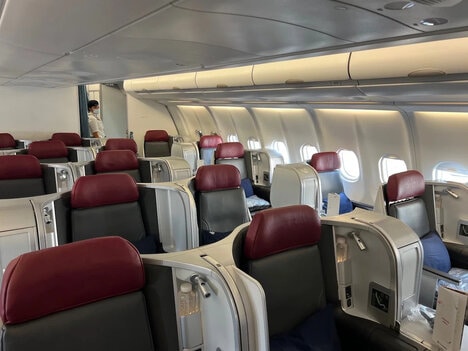
Parata Air plans to use an Airbus A330-200 on the 5,944-mile trip, giving it the range for a full transpacific crossing. The aircraft will offer business class and economy seating for passengers choosing between comfort and a lower fare. Tickets are already on sale, and the route adds a direct booking choice alongside Korean Air and Air Premia.
Parata Air shows how a third South Korean operator on the route can add a nonstop choice between Seoul Incheon and Los Angeles for passengers comparing fares and schedules.
Image Credit: AI-generated
What's Driving This Trend
- Long-haul Challenger Routes
- Smaller carriers entering intercontinental corridors can reshape fare competition and service expectations on routes historically dominated by national airlines.
- Nonstop Asia-us Connectivity
- Expanded direct links between major Asian hubs and North American cities create new room for premium economy concepts, loyalty partnerships, and destination-driven travel packaging.
- Widebody Fleet Expansion
- The use of mid-sized widebody aircraft on transpacific routes highlights opportunities for efficient long-range service models without requiring mega-carrier scale.
Who This Affects Most
- Commercial Aviation
- New entrant activity on high-demand international routes can pressure incumbents to refine pricing, cabin design, and schedule flexibility.
- Travel and Tourism
- Additional nonstop capacity between Seoul and Los Angeles supports differentiated leisure, business, and visiting-friends-and-relatives travel products.
- Airline Distribution
- Direct ticket sales from emerging long-haul carriers introduce fresh competition for booking platforms, fare comparison tools, and ancillary revenue systems.