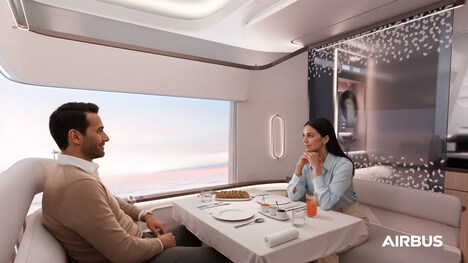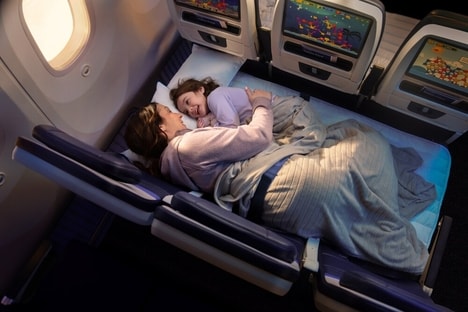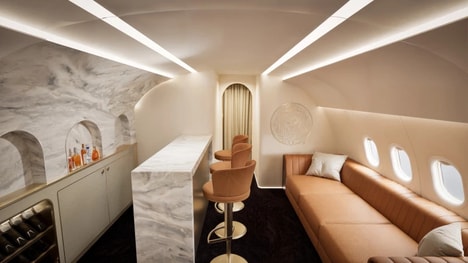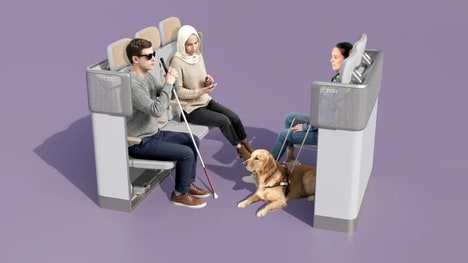
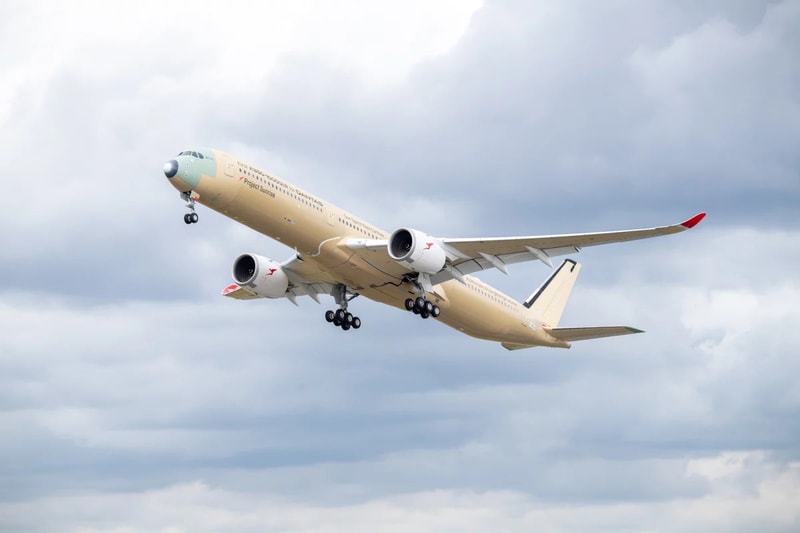
The Airbus A350-1000ULR airliner has performed its first maiden flight as the world's longest range airplane to offer travelers a glimpse into the future of air travel.
The wide body twin engine airliner is based on the A350-1000, but gets its Ultra Long Range (ULR) performance thanks to a few key upgrades. This includes a 20,000-liter rear center fuel tank to achieve a total flying range of 9,700 nautical miles. The aircraft offers space for 238 passengers across four classes and features a lighter galley cooling system to further support long-haul flight efficiency.
The Airbus A350-1000ULR airliner will be covered in Qantas livery before being delivered and will allow the Australian airline to start offing nonstop flights from Sydney and Melbourne to New York or London. A second aircraft is slated to be delivered to the airline in April 2027 with a total order size of 12 for the fleet.
Image Credit: Airbus
What's Driving This Trend
- Ultra-long-haul Connectivity
- Nonstop routes between distant city pairs create openings for premium pricing, schedule differentiation, and new demand modeling across global airline networks.
- Fuel-efficient Widebodies
- Advanced fuel storage, lighter onboard systems, and twin-engine efficiency signal a shift toward longer missions with reduced operational complexity.
- Endurance-focused Cabins
- Passenger comfort over nearly 20-hour flights is becoming a competitive arena for wellness-oriented seating, service design, and premium cabin personalization.
Who This Affects Most
- Commercial Aviation
- Airlines gain new network possibilities as ultra-long-range aircraft reshape hub dependence, route economics, and international market access.
- Aircraft Manufacturing
- Demand for extended-range platforms strengthens the role of lightweight components, optimized fuel systems, and mission-specific aircraft variants.
- Travel and Hospitality
- Direct intercontinental flights influence luxury travel packages, corporate mobility planning, and destination marketing for cities newly connected without layovers.