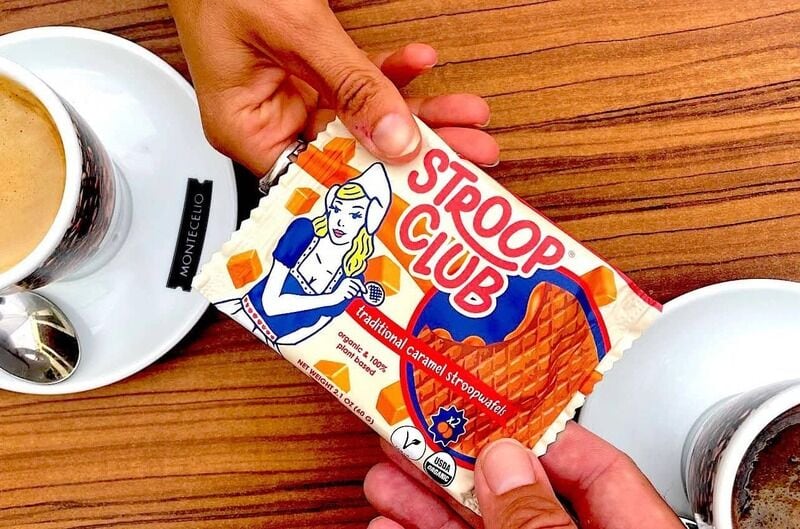
Stroop Club launched Europe's first vegan, organic, palm oil-free traditional caramel stroopwafel, offering an alternative to a special regional treat conventionally made with butter and eggs. This Dutch-style caramel-filled cookie maintains the flavor and texture that consumers know and love, all while providing a more sustainable version for those with certain dietary needs and preferences, or environmental and ethical values.
Plant-based eaters and vegans often feel frustrated when their beloved sweet treats remain non-vegan, but the satisfaction of finally indulging in a reimagined version of a favorite confection is a sweet victory worth celebrating. Stroop Club Stroopwafels are already well-known across the United States, Canada and Mexico, and with this product, the company will delight consumers in the European market with a first-of-its-kind option that uniquely satisfies sweet cravings.
What's Driving This Trend
- Vegan Confectionery
- The rise of vegan confectionery introduces plant-based alternatives to classic sweets, capturing the growing demand for cruelty-free indulgence.
- Sustainable Sweets
- Sustainable sweets are gaining traction as consumers seek eco-friendly desserts that minimize environmental impact through organic and palm oil-free ingredients.
- Region-specific Vegan Treats
- Region-specific vegan treats cater to local palates by transforming traditional recipes into plant-based versions, preserving cultural tastes while aligning with modern dietary preferences.
Who This Affects Most
- Vegan Food Products
- The vegan food products industry is expanding rapidly, driven by innovative new items that replicate the taste and texture of traditional foods.
- Sustainable Food Manufacturing
- Sustainable food manufacturing focuses on producing consumables with minimal environmental footprint, utilizing organic processes and avoiding harmful ingredients like palm oil.
- Ethnic Confections
- Ethnic confections are witnessing a transformation as companies reimagine traditional sweets for modern, health-conscious consumers.