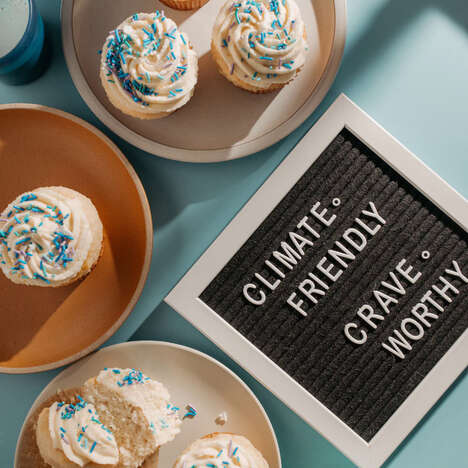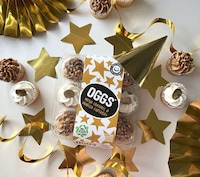

The U.K.-based plant-based bakery brand OGGS is kicking off 2024 with the launch of its new Mega Caramel Cupcakes.
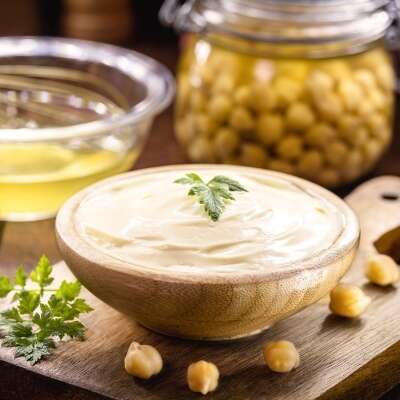
Like OGGS' other products, the new Mega Caramel Cupcakes swap eggs for aquafaba – the water from soaked chickpeas or other legumes. More specifically, the cupcakes consist of a vanilla sponge cake base topped with a generous portion of caramel frosting. The new Mega Caramel Cupcakes are similar to the brand's Mega Caramel and Vanilla Cupcakes, which were launched in packs of nine last year.
If you're wondering why the brand uses aquafaba as the star ingredient, it's based on the company's own research, which showed that 67% of consumers were unaware that most major cake brands use eggs from non-free-range chickens, and that the majority would prefer to by products that does not contain caged or barn eggs in future
Image Credit: OGGS
Key Themes Behind This Trend
- Plant-based Baking
- The rise of plant-based baking products like OGGS' Mega Caramel Cupcakes presents opportunities for businesses to tap into the growing demand for vegan and egg-free options.
- Aquafaba Substitute
- Using aquafaba as a substitute for eggs in bakery products, as demonstrated by OGGS' Mega Caramel Cupcakes, opens up possibilities for innovative and sustainable ingredient alternatives.
- Consumer Awareness
- The consumer demand for transparency and ethically sourced ingredients, exemplified by OGGS' use of aquafaba instead of eggs, indicates an opportunity for businesses to cater to more conscious customers.
Where This Applies
- Plant-based Food
- The plant-based food industry can explore the use of aquafaba and other egg substitutes to create a wider range of vegan baked goods.
- Bakery
- Innovative bakeries can leverage the popularity of plant-based baking and appeal to a broader customer base by offering egg-free options like OGGS' Mega Caramel Cupcakes.
- Food Manufacturing
- Food manufacturers can capitalize on the consumer demand for ethical and sustainable ingredients by incorporating aquafaba and other creative substitutes into their product lines.