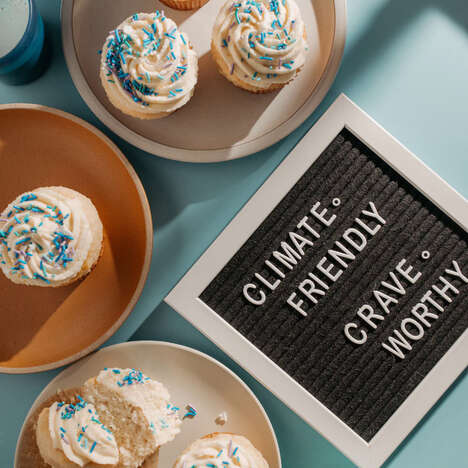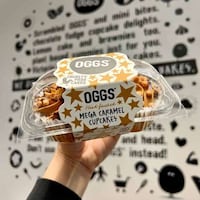
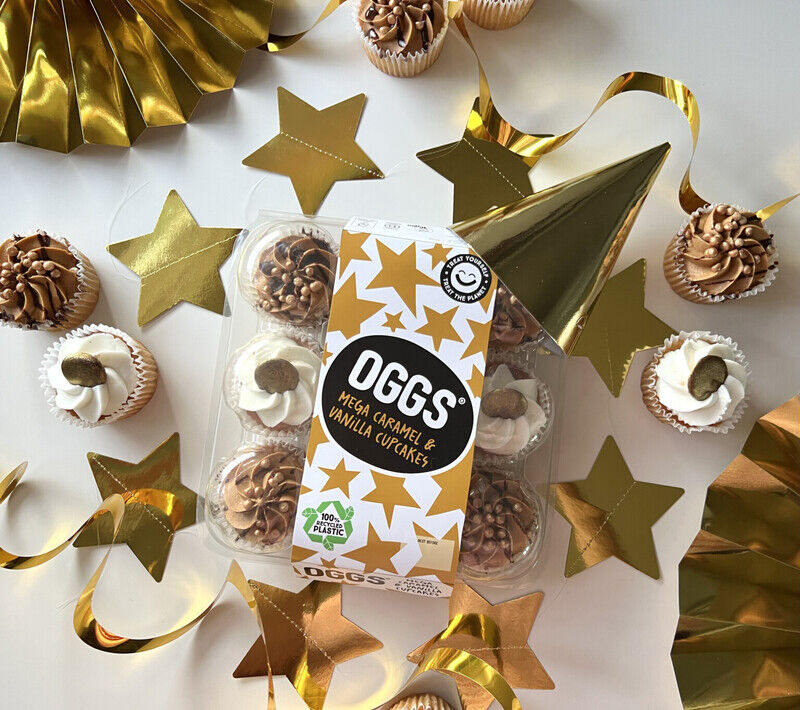
In response to research that shows major brands use eggs from barn-raised or caged chickens in their products, plant-based bakery brand OGGS created Caramel and Vanilla Mega Cupcakes. These wholly plant-powered cupcakes use aquafaba as a substitute for eggs and they offer the same level of indulgence and layers of flavor that consumers with a sweet tooth crave.
"Our new Mega Cupcakes give shoppers a delicious opportunity to celebrate and share," said Hannah Carter, founder and CEO of OGGS, "while making a positive impact on animals and the planet.”
The study also showed that while 92% of consumers say they buy free-range shell eggs, 67% were not aware that most eggs used in baked goods are not free-range—and when informed of this, 89% of people reported they would be more likely to choose different bakery products in future.
What's Driving This Trend
- Plant-powered Desserts
- Indulgent cupcakes made with aquafaba as an egg alternative offer a delicious and sustainable option for consumers with a sweet tooth.
- Animal-friendly Bakery Products
- The use of aquafaba in baked goods presents an opportunity for brands to cater to the growing demand for animal-friendly products.
- Consumer Awareness
- The lack of awareness regarding the use of non-free-range eggs in baked goods opens up a space for brands to educate and provide more ethical alternatives.
Who This Affects Most
- Plant-based Bakery
- Plant-based bakeries can capitalize on the popularity of plant-powered desserts by offering a variety of indulgent treats made with sustainable ingredients.
- Egg Alternatives
- Companies specializing in egg alternatives can explore the use of aquafaba as a substitute in a wide range of baked goods, appealing to both vegan and environmentally conscious consumers.
- Ethical Baking
- Bakery products brands can differentiate themselves by promoting and incorporating ethical practices such as using free-range or animal-friendly ingredients in their products.