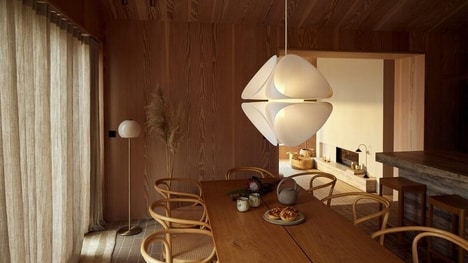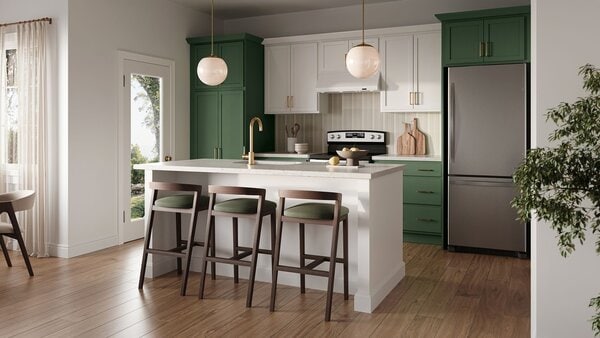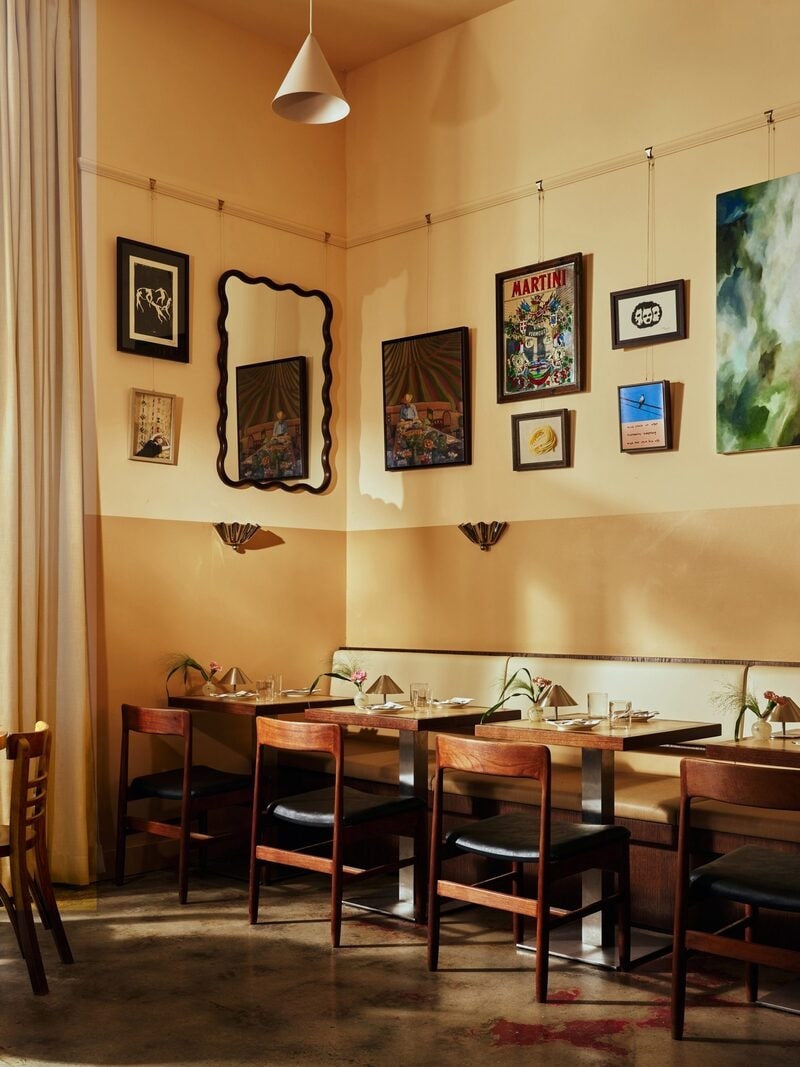
The Tom’s Pasta restaurant was designed by House of Dre as a casual dining space that references domestic kitchens through material choices, layout, and built-in furniture. The interior combines tiled surfaces, painted joinery, stainless steel counters, and timber details to create a setting that feels informal and approachable. Seating is arranged across banquettes, shared tables, and counter spots to support different group sizes and dining rhythms throughout the day. Open shelving displays crockery and utensils, reinforcing the kitchen-like atmosphere, while lighting is kept warm and even across the space.
Color is used across walls, furniture, and finishes to distinguish zones without physical separation. The layout prioritizes clear circulation between the entrance, ordering counter, kitchen, and seating areas. Custom elements are integrated throughout, including benches, shelving, and service counters sized specifically for the compact footprint. The interior was designed to balance durability with visual softness, supporting daily restaurant use while maintaining a relaxed, familiar environment.
Image Credit: Milo Hutchings
What Makes This Trend Stand Out
- Domestic-inspired Restaurant Design
- Restaurants are embracing home-like atmospheres through design elements like open shelving and warm lighting, creating spaces that feel intimate and familiar.
- Zonal Color Differentiation
- Color usage to define different areas within a single open space is gaining traction, allowing for visual separation without the need for physical barriers.
- Multi-functional Furniture Design
- The integration of custom-built furniture and fixtures is being utilized to maximize utility in compact restaurant spaces, offering both practicality and aesthetic appeal.
Sectors Adopting This
- Interior Design
- Innovations are emerging in interior design that focus on creating versatile and thematic environments tailored to specific dining atmospheres.
- Casual Dining
- The casual dining sector is exploring playful and approachable restaurant designs that enhance customer engagement and comfort.
- Hospitality Architecture
- Hospitable architecture is advancing with innovative layouts that prioritize clear circulation and seamless interaction within dining spaces.