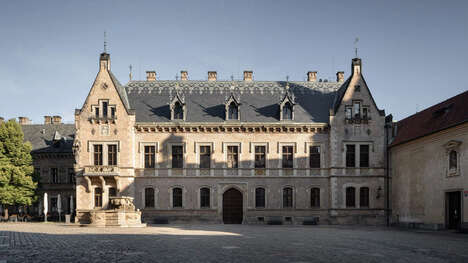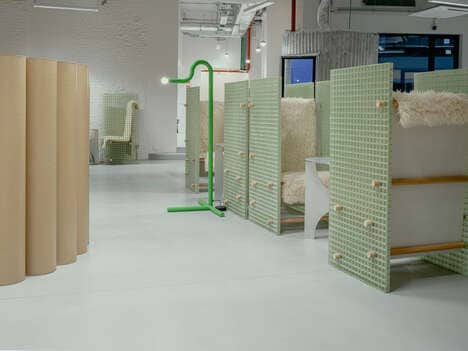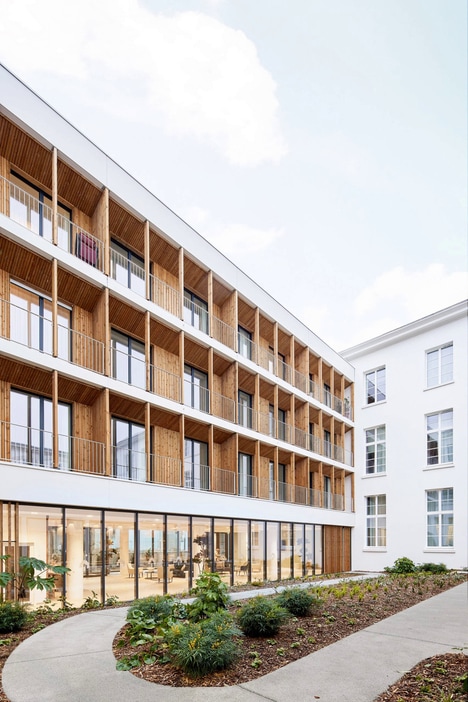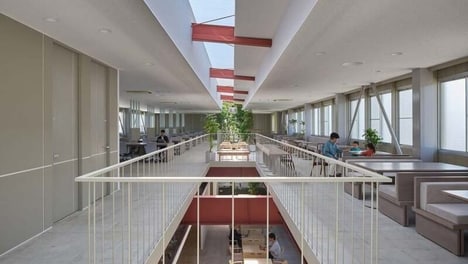
A 17th century chapel in Belgium has been transformed into a modern work space following the success of a project called 'The Waterdog' which was undertaken by a architecture firm Klaarchitectuur.
This transformation was no ordinary task as the firm had to meticulously plan every detail of the renovation to ensure that the site retained its status as a historic landmark, while still appearing modern, fresh and fit for an office. To achieve the end result, the architects added free-standing structures to the building's interior, instead of building on the existing ones. The modern structures blend with the building's original foundation making for a unique environment that can serve a variety of purposes.
Image Credit: Klaarchitectuur bvba via Facebook
Why This Trend Is Growing
- Historic Office-ready Chapels
- Opportunity for architecture firms to repurpose historic buildings into modern workspaces while preserving their historical significance.
- Meticulous Renovation Planning
- Importance of thorough planning and attention to detail in transforming historic landmarks into functional office spaces.
- Blending Modern and Historical Elements
- Innovative use of free-standing structures to seamlessly integrate modern design with the original foundation of historic chapels.
Industries Being Reshaped
- Architecture
- Architects have the opportunity to lead the way in repurposing historic structures into functional and aesthetically pleasing office spaces.
- Real Estate
- Real estate developers can explore the potential of transforming historic buildings into unique and desirable office spaces.
- Historical Preservation
- Historical preservation organizations can collaborate with architects to find innovative ways to preserve and repurpose historic chapels for contemporary use.