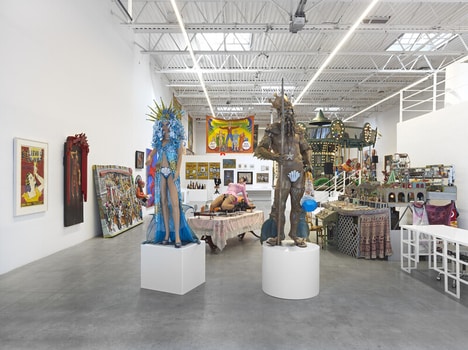
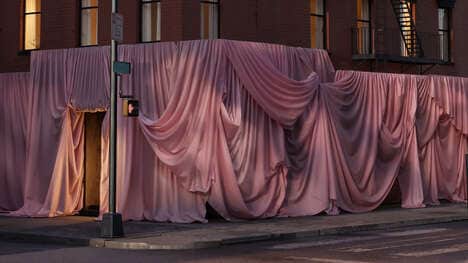
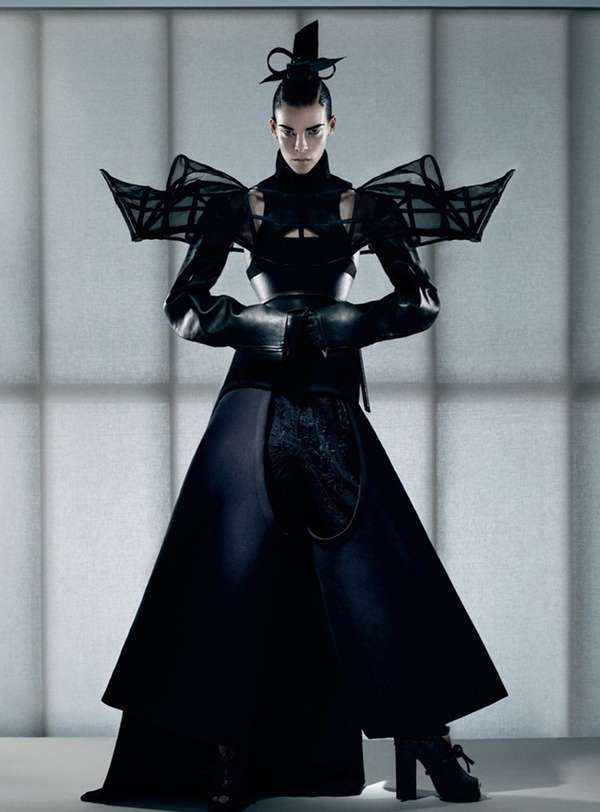
The Barbican is currently running 'The Surreal House,' an art and photography exhibition. Jane Alison, senior curator at The Barbican, said that this is "the first time an exhibition has really probed the relationship between surrealism and architecture."
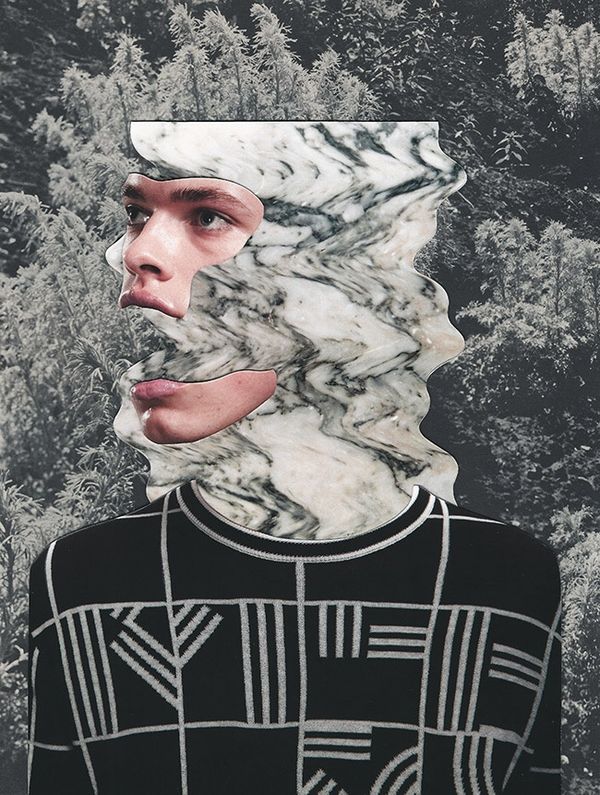
'The Surreal House' is a comprehensive collection of some of the most gripping surrealist art that has ever been made, but sticking with the theme of domesticity and the house.
Implications - Consumers are drawn to surrealistic imagery as it provides them an escapist experience. As this type of experience is always in high demand regardless of economic and social climates, corporations may find it beneficial to provide consumers with products and services which satiate the public's need to divert themselves from their realities.
Key Themes Behind This Trend
- Surrealist Architecture
- Trend that explores the relationship between surrealism and architecture, providing opportunities for architects and interior designers to create unconventional, attention-grabbing structures.
- Domestic Surrealism
- Trend of incorporating surrealistic elements into interior design, allowing furniture and decor designers to create unusual, playful and thought-provoking pieces.
- Escapist Experiences
- Trend of introducing surrealistic elements in entertainment and leisure activities, providing opportunities for hotels, theme parks, and entertainment centers to attract consumers seeking unique and immersive experiences.
Where This Applies
- Architecture
- Surrealist architecture provides architects with the chance to break the conventions of traditional architecture and innovate by incorporating surreal elements and creating unconventional structures.
- Interior Design
- The trend of domestic surrealism gives interior designers the chance to create unusual and playful elements in the design of furniture, decor, and entire spaces.
- Entertainment
- The trend of offering escapist experiences with surrealistic elements presents a significant opportunity for hotels, theme parks, and other types of entertainment centers to differentiate themselves from competitors and attract more visitors.