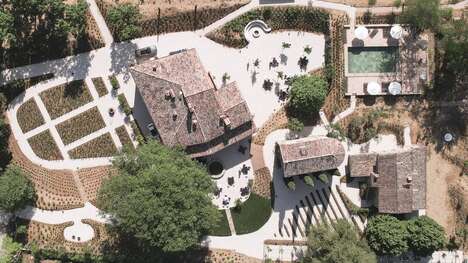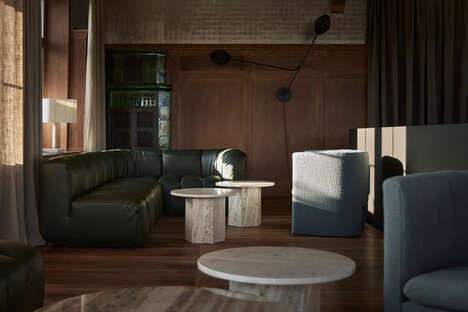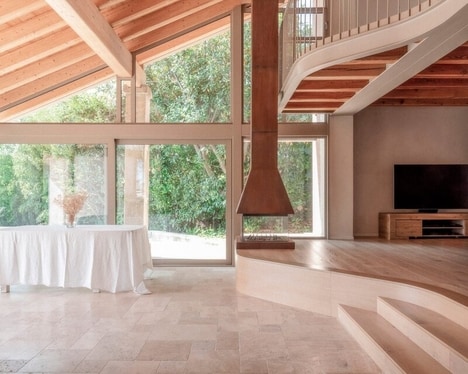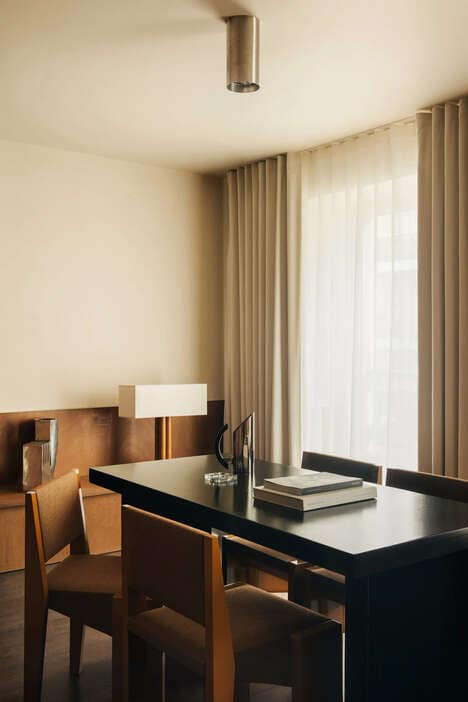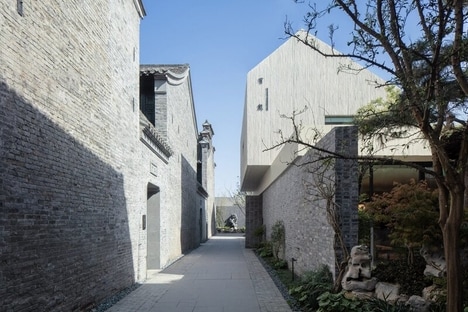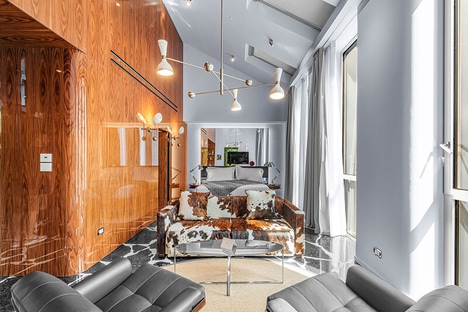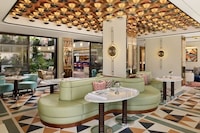
Located in South Tyrol, Italy, the Hotel Buhelwirt is a historic building in the area that was redesigned and upgraded into a luxury tourist attraction. Pedevilla Architects added a large expansion onto the original building, but decided to keep a lot of its classic design features.
The largest changes to the structure were the 20 new guest room additions, a new sauna, a high-end dining room and a relaxation zone. With minimal yet classic decor, the interior has a light hued color scheme, contrasting the charred black exterior. Surrounded by hiking, skiing and rafting, the Hotel Buhelwirt is surrounded by beautiful scenery and is a compelling mix of classic design and new-age architecture.
Image Credit: Hotel Buhelwirt, Uncrate
What Makes This Trend Stand Out
- Redesigned Classic Historic Hotels
- The trend of redesigning and upgrading historic hotels into luxury tourist attractions by blending classic design features with modern architecture.
- Expansion of Guest Room Offerings
- The trend of adding new guest room additions to historic hotels to meet the growing demand of luxury accommodations.
- Integration of High-end Amenities
- The trend of incorporating high-end amenities such as saunas, high-end dining rooms, and relaxation zones into historic hotels to enhance the guest experience.
Sectors Adopting This
- Hospitality
- The hospitality industry can explore opportunities to invest in redesigning and upgrading historic hotels to attract luxury travelers.
- Architecture and Design
- The architecture and design industry can find opportunities to blend classic and modern elements in the renovation of historic buildings to create unique and visually appealing spaces.
- Tourism and Travel
- The tourism and travel industry can benefit from the trend of offering luxury accommodations in historic hotels, attracting tourists looking for unique experiences.