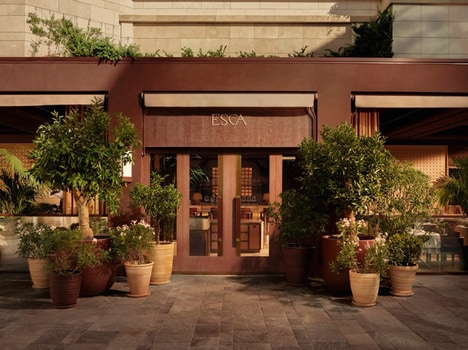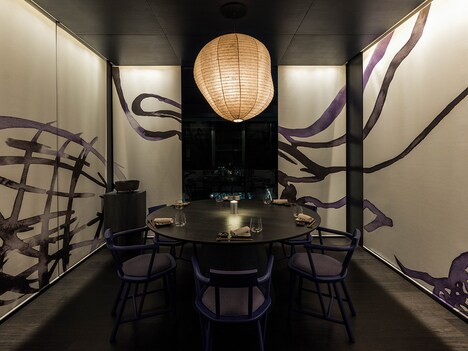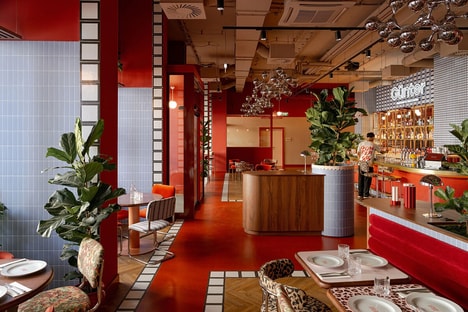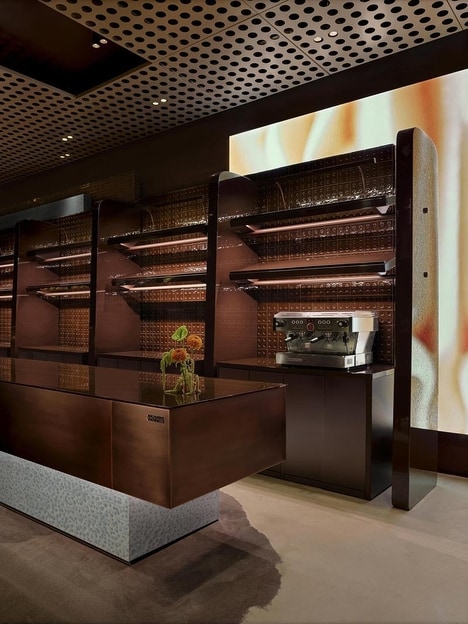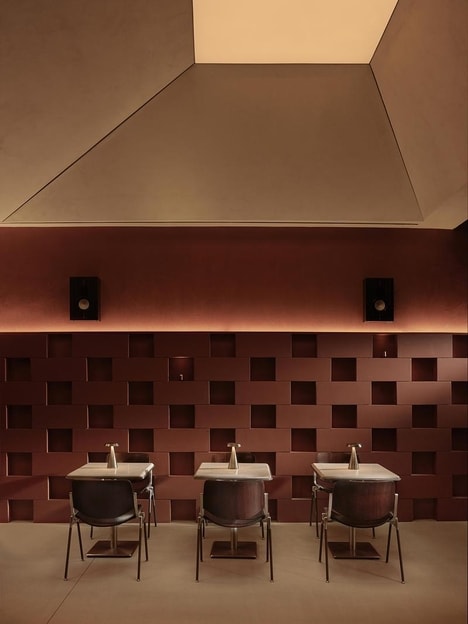
URBANJOBS, an Istanbul-based interior design studio founded in 2018, has reimagined the dining experience at The Bodrum EDITION, a luxury hotel in Yalıkavak, by redesigning three distinct restaurants — KITCHEN by Osman Sezener, The Trattoria by Stefano Ciotti, and DAHA by Mehmet Akdag — each with its own chef, culinary tradition, and physical constraints. The design approach maintains a cohesive dialogue with the brand's globally consistent, refined aesthetic identity.
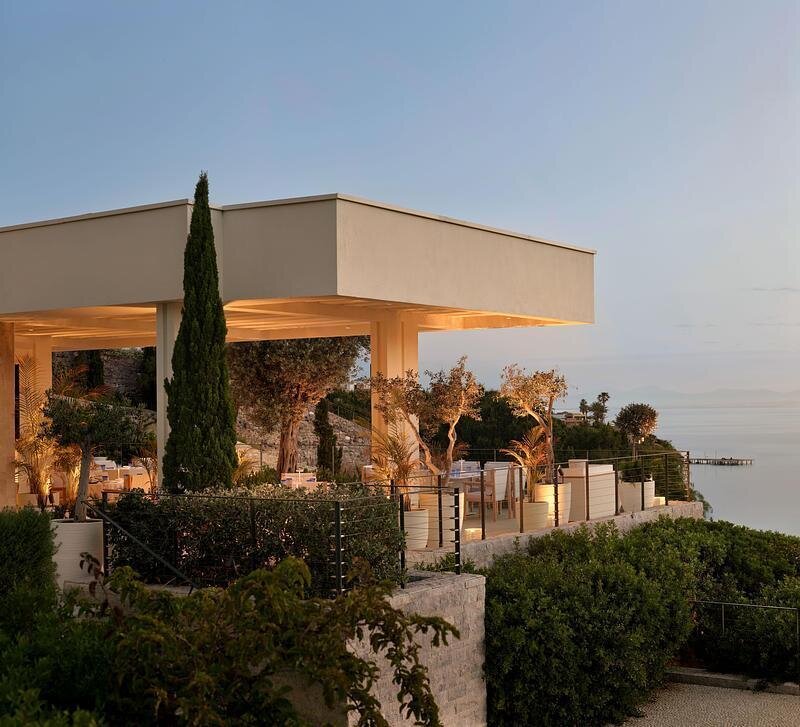
URBANJOBS' design strategy balances brand continuity with individual expression, resulting in three venues that coexist under one roof yet remain distinctly different. KITCHEN reflects the calm rhythm of the Aegean with restrained white stone, light wood, and a wide colonnade opening toward the sea. The Trattoria evokes the warmth of Italy through a wood-led, organic material palette with vertical timber slats, a courtyard layout set within olive trees referencing traditional Italian trattoria entrances, and framed black-and-white photographs creating a family album atmosphere that balances EDITION's refined tone with rustic Italian charm. DAHA, conceived as an open-air Anatolian fine dining venue without a structural covering, uses large-scale custom-designed floor lamps on tall pedestals to create spatial depth and a sense of height, volume, and scale.
Image Credit: ?brahim Özbunar I 645studio
Key Themes Behind This Trend
- Cohesive Multi-concept Dining
- Luxury hotels are blending multiple chef-led restaurant identities within one brand ecosystem, creating space for modular design systems that preserve consistency while allowing localized expression.
- Open-air Fine Dining
- Outdoor culinary venues with minimal structural enclosure are elevating ambiance through lighting, scale, and spatial composition, signaling new potential for climate-responsive hospitality design.
- Regional Material Storytelling
- Interior palettes rooted in local landscapes and culinary heritage are turning restaurants into immersive cultural narratives, expanding demand for bespoke materials, craftsmanship, and place-based brand experiences.
Where This Applies
- Luxury Hospitality
- High-end hotels are using distinctive restaurant concepts to strengthen destination appeal, opening opportunities for integrated design, dining, and brand differentiation strategies.
- Interior Design
- Studios working across hospitality environments are redefining spatial identity through custom lighting, material contrast, and adaptive layouts that support multiple experiences under one property.
- Restaurant and Foodservice
- Chef-driven venues inside hotels are becoming experiential anchors, with design-led dining environments shaping guest perception as much as cuisine and service.