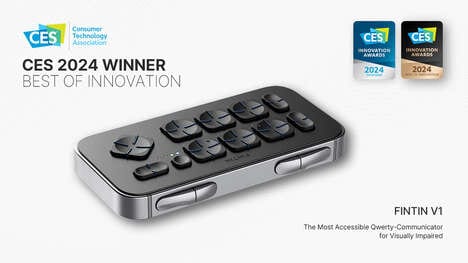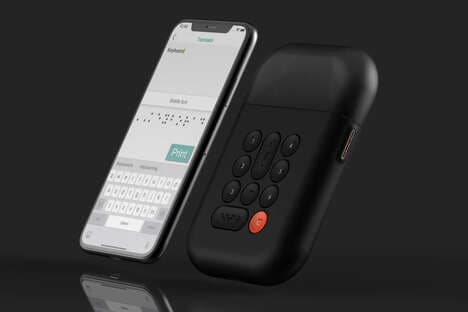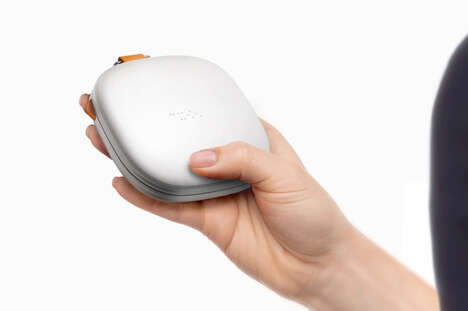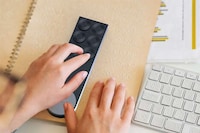

The 'T-Dot' Braille keyboard has been designed by KunYoong IBC as a mobile input device for the blind or others with vision impairments to use in their daily life. The keyboard maintains an ultra-compact design that will unfold to reveal a 12-key input system to maximize navigation and text input. The keyboard also supports voice control to accommodate ease of use on a daily basis.
The 'T-Dot' Braille keyboard was recognized at the Design Intelligence Awards and is presently available for purchase. The keyboard is compatible with several major operating systems and connects via Bluetooth to devices. A screen control function also allows for intuitive navigation through the operating system to further enhance the capabilities of the user.
What's Driving This Trend
- Miniature Braille Keyboards
- The development of compact Braille keyboards presents opportunities for designing smaller and more portable assistive devices.
- Voice-enabled Assistive Technology
- The integration of voice control in Braille keyboards and other assistive devices presents opportunities for more intuitive and hands-free use.
- Designing for Accessibility
- The trend towards designing products with accessibility features opens up opportunities for businesses to serve a previously underserved market.
Who This Affects Most
- Assistive Technology
- Companies that specialize in developing assistive devices, such as Braille keyboards, can expand their offerings to include more compact and voice-enabled options.
- Consumer Electronics
- Consumer electronics companies can incorporate accessibility features in their products, including Braille keyboards, to appeal to a wider range of customers.
- Healthcare Technology
- Healthcare technology companies can utilize compact and portable Braille keyboards to develop more comprehensive and integrated solutions for patients with vision impairments.
Featured Reports

The Future of Play Is More Human Than You Think

Verified Economy