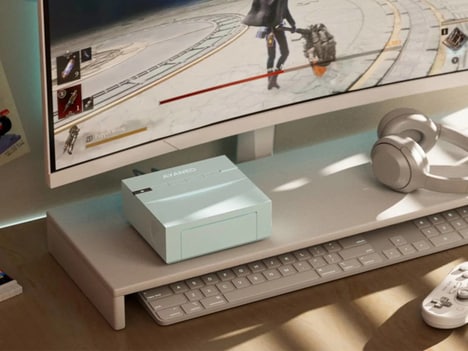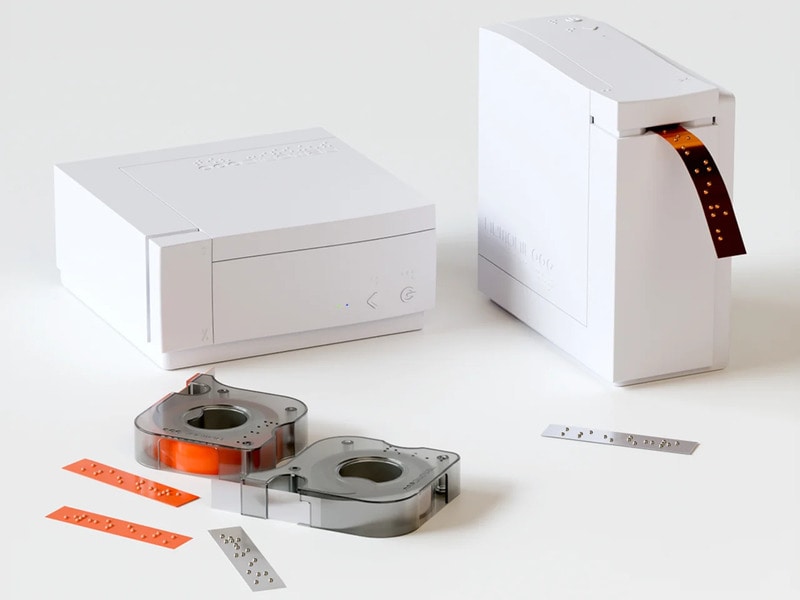
The Mangoslab Nemonic Dot is a compact label printer designed to convert spoken words into embossed Braille using a companion mobile app. Users speak into their phone, where speech is transcribed and translated into Braille before being sent wirelessly to the printer. The device produces raised, tactile labels on adhesive paper, allowing quick identification of everyday items without manual Braille input or specialized software. Its small footprint and cordless operation position it for home, school, and workplace use.
The printer integrates with Mangoslab’s existing app ecosystem and supports simple editing before printing. Labels can be applied to objects such as containers, documents, and personal belongings to support organization and navigation. The Nemonic Dot focuses on reducing friction in Braille label creation by using familiar voice interaction and automated conversion.
Image Credit: Mangoslab
What Makes This Trend Stand Out
- Voice-activated Braille Labeling
- The use of voice input to create Braille labels represents a shift towards more seamless, accessible solutions for the visually impaired.
- Compact Assistive Technologies
- Smaller, portable assistive devices like the Nemonic Dot allow for easier integration into everyday life, enhancing user convenience and independence.
- Cordless Office Devices
- Wireless, battery-operated printers are expanding opportunities for flexible use in various environments, reducing reliance on fixed workstations.
Sectors Adopting This
- Assistive Technology
- Innovations like the speech-to-Braille label printer highlight the growing focus on inclusive products that cater to the needs of people with disabilities.
- Office Supplies
- Revolutionary label printers that serve specific accessibility needs are reshaping the traditional office supplies market by introducing multifaceted tools.
- Smart Home Gadgets
- The integration of mobile apps and voice commands with home devices is advancing the usability of smart home technology, particularly for those with accessibility requirements.