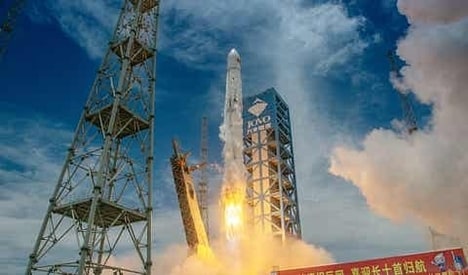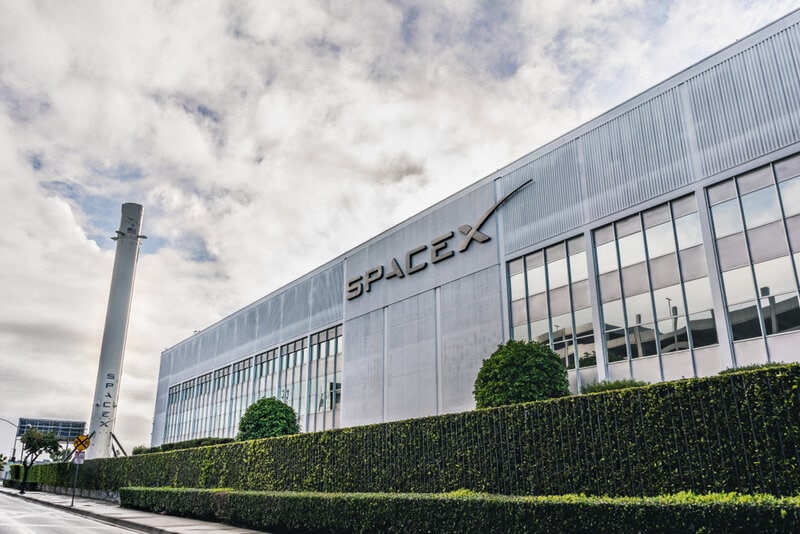
SpaceX conducted the 13th test flight of its Starship rocket from Starbase, Texas, using the latest Starship V3 configuration and a Super Heavy booster. The mission tested separation, recovery procedures and satellite deployment as SpaceX continues developing the system for reusable heavy-lift launches.
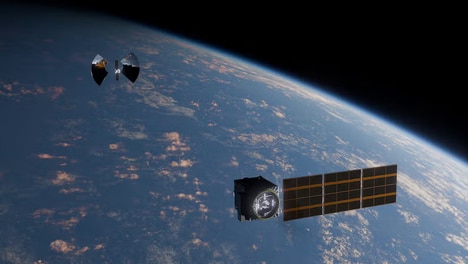
The Super Heavy booster separated about two minutes after liftoff and made a hard splashdown in the Gulf after only some engines successfully relit for the landing burn. The upper stage completed a soft splashdown in the Indian Ocean and remained intact, providing views of its heatshield. The flight also deployed 20 new Starlink V3 satellites, which feature larger designs and solar arrays capable of generating twice the power of previous generations.
For the broader space industry, the test advances Starship’s potential role in high-capacity satellite deployment and future lunar missions. However, reliable engine relights and full vehicle reusability remain key development challenges.
Image Credit: Shutterstock/Sundry Photography
Key Themes Behind This Trend
- Reusable Heavy-lift Rockets
- Larger launch vehicles designed for repeated use are reshaping cost structures for orbital transport, creating space for new payload-heavy services and faster mission cycles.
- High-power Satellite Networks
- Expanded satellite designs with larger solar arrays enable greater onboard capacity, supporting more capable broadband, sensing and communications platforms in orbit.
- Recovery-driven Space Testing
- Flight tests centered on splashdowns, engine relights and heatshield visibility reveal growing value in data-rich validation systems for next-generation reusable spacecraft.
Where This Applies
- Commercial Spaceflight
- Private launch providers are pushing reusable super-heavy vehicles toward operational readiness, opening competitive paths for large-scale orbital logistics and exploration contracts.
- Satellite Communications
- More powerful satellite constellations strengthen the business case for higher-throughput connectivity, particularly in remote markets and infrastructure-limited regions.
- Aerospace Manufacturing
- Demand for heatshields, advanced engines and recoverable vehicle components is expanding opportunities for specialized suppliers supporting reusable launch architecture.