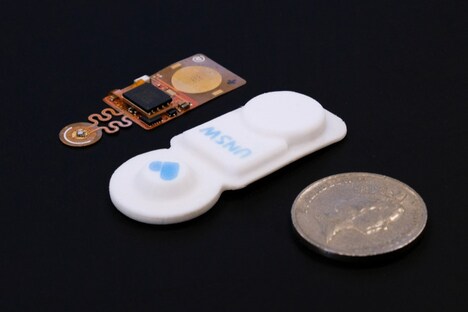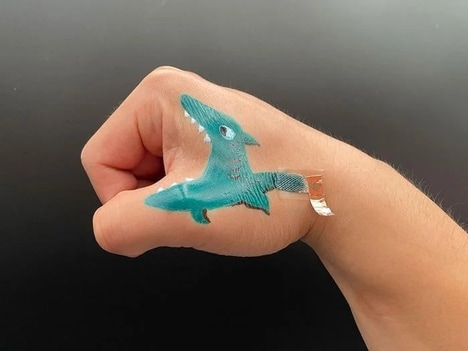
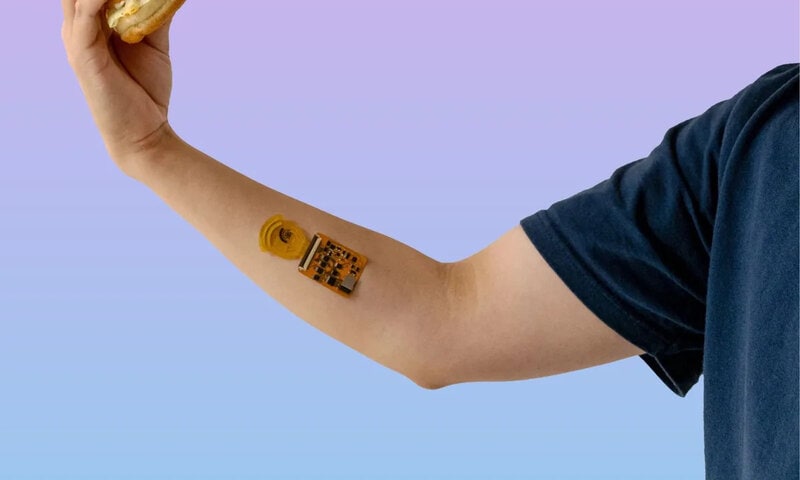
This smart wearable patch has been developed by researchers at Caltech as a health technology solution that could expedite the tracking of cholesterol without having to rely entirely on blood work.
The patch, developed by a team led by Profession Wei Gao, works as a physical sensor that leverages a machine learning model that factors in body mass index, gender and sweating. This information is used to create a baseline before accurately estimating blood lipid levels and interpreting data collected by the sensor itself since cholesterol can't be directly measured in sweat.
The smart wearable patch has so far been tested on 24 participants during an early-stage study with additional studies underway to help determine its viability as a healthcare product in the years ahead.
Image Credit: Caltech
Key Themes Behind This Trend
- Sweat-based Biomarker Tracking
- Noninvasive sweat analysis creates room for everyday diagnostics that reduce dependence on lab-based blood testing and support more continuous health visibility.
- Algorithmic Health Wearables
- Machine learning-enhanced sensors can translate indirect biometric signals into clinically relevant insights, expanding the usefulness of consumer and medical wearables.
- Preventive Lipid Monitoring
- At-home cholesterol estimation introduces new models for early cardiovascular risk detection, personalized wellness programs, and remote patient management.
Where This Applies
- Digital Health
- Connected diagnostic patches strengthen the shift toward continuous care platforms that integrate biometric data with personalized health recommendations.
- Medical Devices
- Flexible sensor technologies point to smaller, less invasive diagnostic tools that may broaden access to routine monitoring outside clinical settings.
- Preventive Healthcare
- Remote lipid tracking supports proactive care ecosystems where insurers, providers, and wellness brands can identify risk patterns before acute interventions are needed.