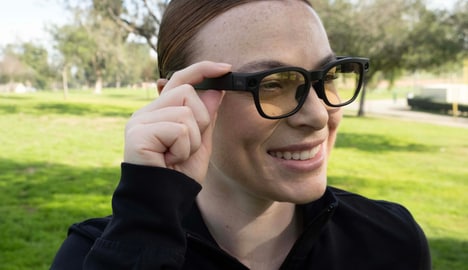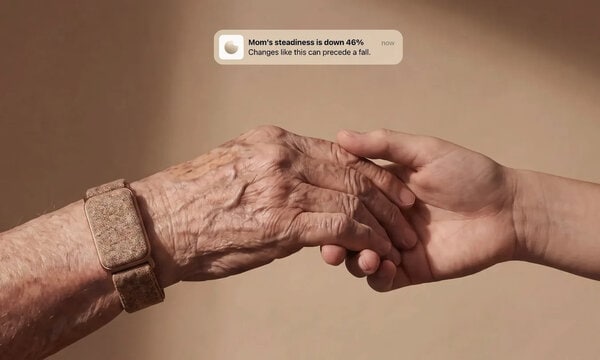
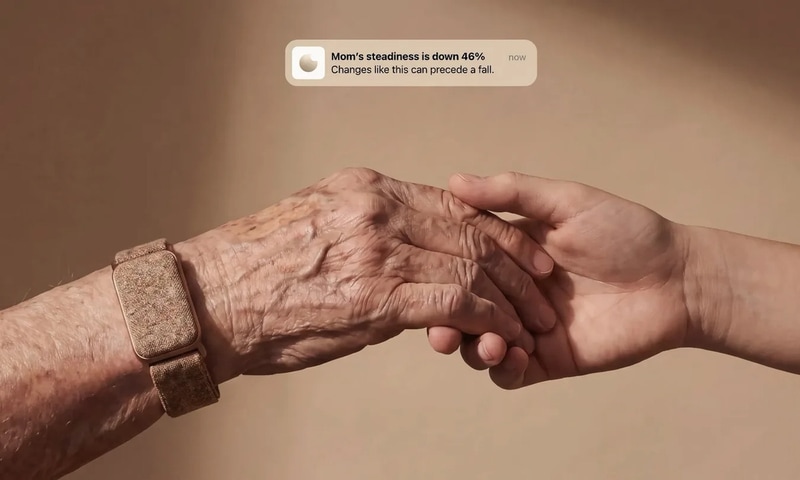
Pride and a lack of self-awareness can make elderly loved ones poor reporters of their own health, but Carely is a wearable designed to provide a more accurate picture of how they're doing with six biometric sensors that monitor heart rate, blood oxygen saturation, skin temperature, and motion. Once baseline health has been established, Carely flags deviations in regular functioning, such as irregular heart rhythm or wavering steadiness, and promptly notifies family members.
Elder care technology often comes with good intentions but falls short in practice, with many solutions requiring invasive monitoring setups, complex interfaces, or constant connectivity that can feel overwhelming and alienating to older users who did not grow up navigating digital devices. Carely offers an alternative to this cycle of frustration with a solution that's screenless and doesn't hinge on a smartphone, app, Wi-Fi, or Bluetooth connectivity to function.
What's Driving This Trend
- Screenless Health Wearables
- Low-interface devices create space for biometric monitoring that feels familiar and nonintrusive to older adults while still giving caregivers reliable health visibility.
- Baseline-based Alerts
- Personalized health patterns enable detection of subtle deviations, making passive monitoring more useful than generic thresholds for aging populations.
- Low-connectivity Care Tech
- Independence from smartphones, apps, Wi-Fi, and Bluetooth expands elder care access in homes where digital infrastructure or user confidence is limited.
Who This Affects Most
- Elder Care
- Aging services are being reshaped by discreet monitoring tools that balance autonomy, safety, and family reassurance without relying on institutional care settings.
- Wearable Technology
- The category is moving beyond fitness and lifestyle tracking toward specialized, low-friction devices designed for medically relevant everyday use.
- Remote Patient Monitoring
- Caregiver-facing biometric alerts broaden remote health oversight by connecting real-world behavioral and physiological changes to timely family awareness.