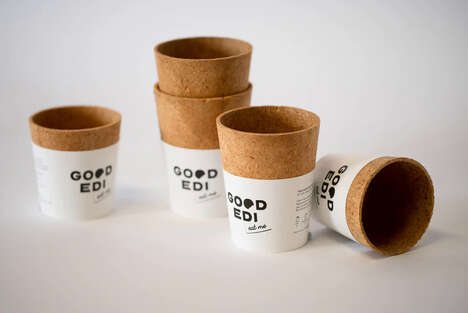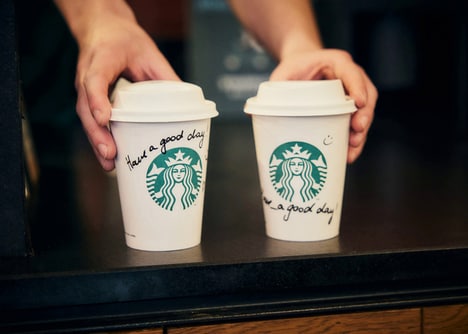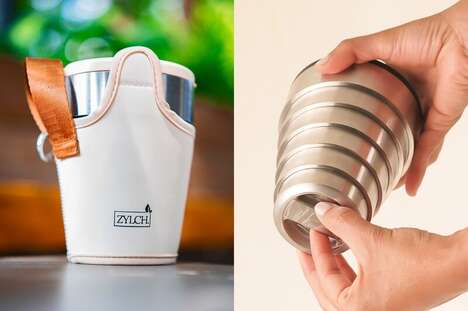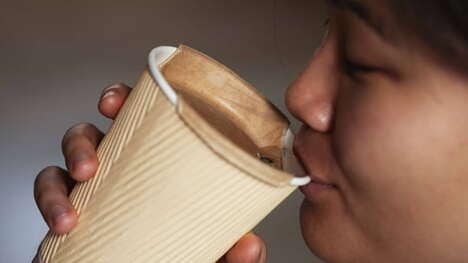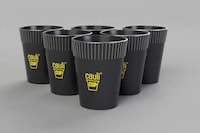


Just last month, Think Coffee implemented its Huskee Cup Swap program at all of its locations across New York City, helping to reduce the need for single-use coffee cups. As part of the incentive program, anyone who brings in a used Huskee Cup (which is made from upcycled coffee husks) is eligible to exchange it for a fresh and clean replacement cup. With this program, Think Coffee is specifically addressing the cleaning that that consumer has to do as an owner of a reusable coffee cup.
As Huskee Cups are made with an organic byproduct of the coffee milling process, each and every one helps to save a conventional single-use coffee cup from ending up in the landfill because it cannot be recycled—annually, about 600 billion coffee cups end up in the garbage for this reason.
What's Driving This Trend
- Sustainable Cup Exchange Programs
- Incentive programs aimed at reducing single-use coffee cups by offering reusable cup exchanges can disrupt the coffee industry and create a more sustainable coffee culture.
- Upcycling Organic Byproducts
- Utilizing organic byproducts to create reusable cups not only helps reduce waste, but also presents a disruptive opportunity for businesses to create unique and eco-friendly products.
- Eco-friendly Consumer Behavior
- Encouraging eco-friendly consumer behavior through incentive programs and sustainable products can disrupt multiple industries and promote a more sustainable future.
Who This Affects Most
- Coffee Industry
- Implementing sustainable initiatives and eco-friendly consumer behavior can disrupt the coffee industry and create a more sustainable coffee culture.
- Packaging Industry
- Reducing single-use packaging and utilizing organic byproducts can disrupt the packaging industry and lead to more environmentally conscious products.
- Retail Industry
- Promoting eco-friendly consumer behavior and offering sustainable products can disrupt the retail industry and create a demand for more sustainable options.