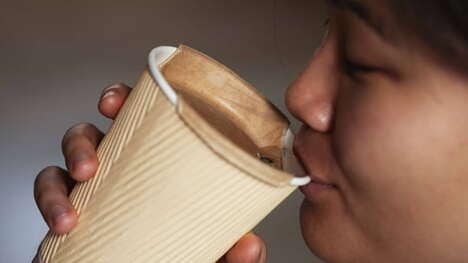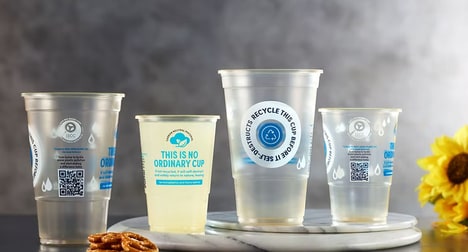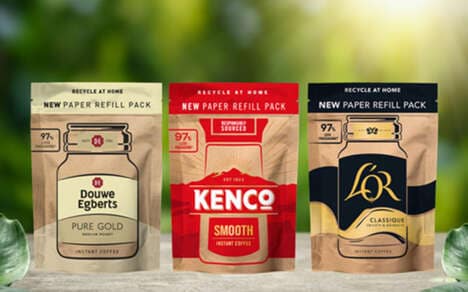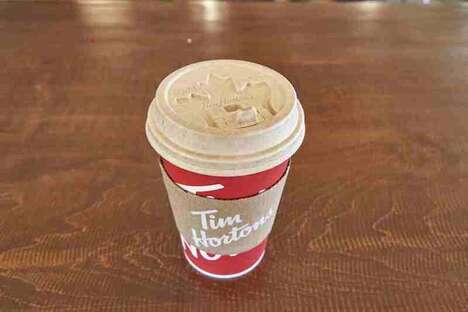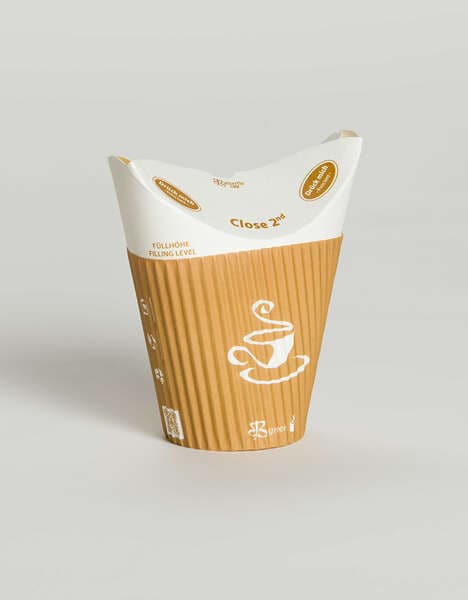

Starbucks EMEA teamed up with Transcend Packaging, Qwarzo and Metsä Board to introduce a home-compostable coffee cup across select European markets. Although the hot cups don't look much different, they'll make an impact as a compostable and recyclable alternative for customers when they don’t have a reusable cup.
Whether or not plastic-lined coffee cups are sorted correctly, many mainstream recycling and waste management facilities don't have the technology to separate the materials—but this cup and lid can be recycled in recycling bins or composted at home. The new cup features traceable wood fibre sourced from Northern European forests and a mineral-based coating developed in Italy. Single-use plastic lids have also been replaced with fibre alternatives, and coated with the same mineral-based material.
The new home-compostable hot cup and lid will first appear in Italy, Germany, France, Sweden, Switzerland and Austria.
Key Themes Behind This Trend
- Sustainable Packaging Solutions
- The rise of home-compostable coffee cups highlights a shift towards sustainable packaging that minimizes environmental impact.
- Eco-friendly Coatings
- Mineral-based coatings are becoming prominent as they offer recyclable and compostable solutions for traditionally non-recyclable materials.
- Traceable Sourcing
- Utilizing traceable wood fiber in product development is gaining traction as brands seek transparency in their supply chains to ensure environmentally responsible sourcing.
Where This Applies
- Food and Beverage
- Innovations in eco-friendly packaging solutions are transforming the food and beverage industry’s approach to reducing single-use plastics.
- Waste Management
- The introduction of home-compostable products presents significant opportunities for the waste management industry to expand its services in organic material recycling.
- Forestry and Pulp
- The demand for sustainably sourced wood fiber is driving innovation in the forestry and pulp industry to support sustainable product manufacturing.