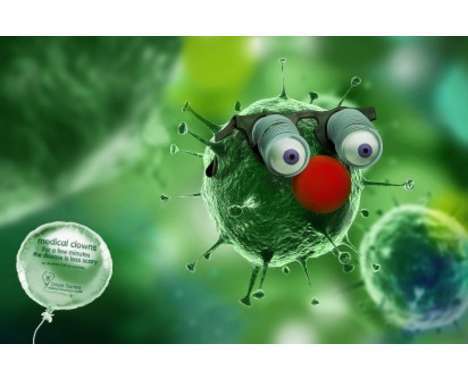
The idea of self-destructing bacteria sounds good. I mean, who wants bacteria to keep growing—anywhere? But in the case of biofuel-producing bacteria, it's an especially fantastic concept, which is why Cyanobacteria was created.
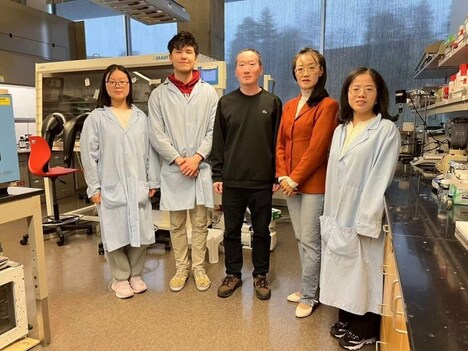
Cyanobacteria was developed by researchers at Arizona State University. It's a self-destructing bacteria that dissolves from the inside out, which makes it substantially easier to access the high-energy fats and biofuel byproducts within it. The development of Cyanobacteria stands to be seriously beneficial for fuel production since it has a higher yield potential than most biofuels being tested today.
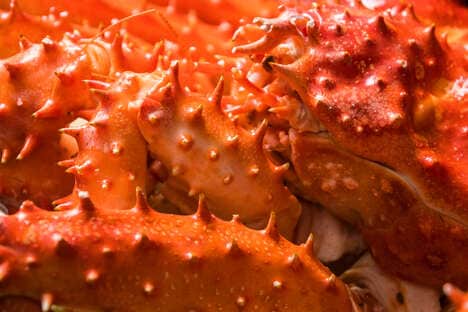
Click through the gallery to see what Cyanobacteria looks like (shudder).
What's Driving This Trend
- Self-destructing Bacteria
- Opportunity for developing self-destructing bacteria for various applications in industries.
- Biofuel Production
- Opportunity for innovating new methods and technologies to increase biofuel production efficiency.
- High-yield Biofuels
- Potential for developing biofuels with higher yield potential compared to existing alternatives.
Who This Affects Most
- Biotechnology
- Disruptive innovation opportunities in the development and application of self-destructing bacteria.
- Energy
- Opportunity for disruptive innovation in biofuel production using self-destructing bacteria.
- Environmental
- Potential for developing sustainable and high-yield biofuels to reduce environmental impact.