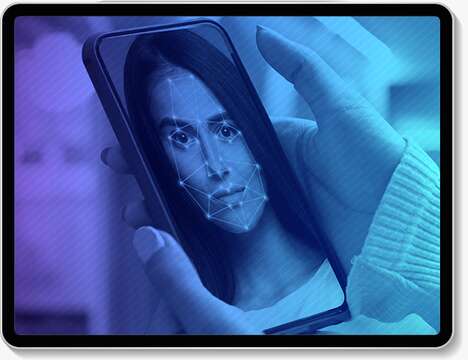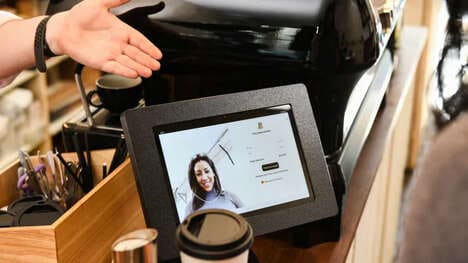


In partnership with SITA and U.S. Customs and Border Protection (CBP), JetBlue has plans to test an all-new self-boarding system that is powered by facial recognition technology.
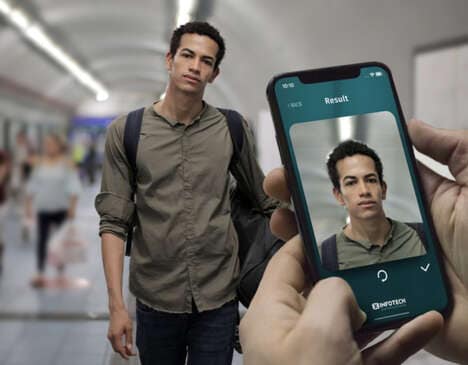
With this new system in place as of this month, travelers leaving from Boston’s Logan International Airport to Aruba’s Queen Beatrix International Airport will be able to try the program without previously registering for it. To make the most of the new self-boarding systems, JetBlue customers will approach a camera to have their photo taken, which will be matched to the passport photo stored in the CBP's database.
A number of air carriers are now making the most of available technology to streamline the boarding process. Like JetBlue, KLM Airlines and British Airways are also experimenting with the use of facial recognition systems for boarding.
What Makes This Trend Stand Out
- Facial Recognition Boarding
- Implementing facial recognition technology for the boarding process offers a seamless and efficient experience for travelers.
- Self-boarding Systems
- The development of self-boarding systems eliminates the need for traditional boarding passes, saving time and reducing paper waste.
- Streamlining Boarding Process
- Airlines are adopting innovative technology to streamline the boarding process, improving overall efficiency and customer satisfaction.
Sectors Adopting This
- Airlines
- Airlines have the opportunity to enhance their operations and customer experience by investing in facial recognition boarding systems.
- Airport Security
- The integration of facial recognition technology in self-boarding systems presents a disruptive innovation opportunity for airport security measures.
- Technology Providers
- Technology providers can capitalize on the demand for self-boarding systems by developing advanced facial recognition solutions tailored for the aviation industry.