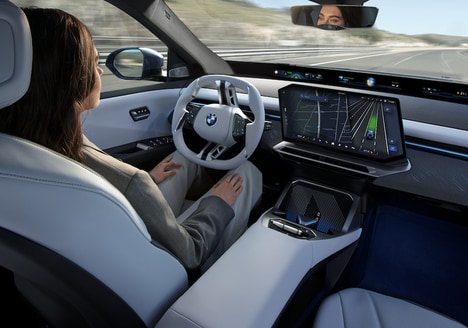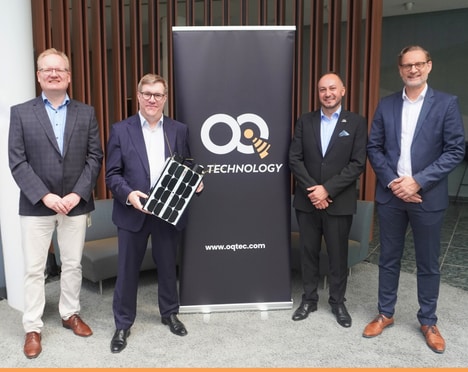
Viasat and BMW Group demonstrated a vehicle-integrated satellite voice call system, featuring L-band satellite connectivity embedded into BMW’s platform for voice and messaging when cellular service is unavailable. Conducted in Munich, the demonstration used Qualcomm’s Snapdragon Auto 5G Modem-RF Gen 2 and Fraunhofer IIS’s NESC AI voice codec, with NB-IoT supporting narrowband communication.
The setup routed compressed voice through Viasat’s L-band satellite network without requiring an external satellite handset or bolt-on accessory. It also built on earlier eSIM work from Cubic³ and required deep integration with BMW’s vehicle architecture. Participants positioned the demonstration as an early step toward standards-based Non-Terrestrial Network connectivity for future vehicles.
For drivers and fleets, integrated satellite calling could support emergency communication and messaging in remote areas beyond cellular coverage. However, the system remains a demonstration without production dates or published field-performance data, meaning extensive real-world testing will be required before it becomes a commercial vehicle feature.
Image Credit: Shutterstock/Kittyfly
Why This Trend Is Growing
- Integrated Satellite Calling
- Embedded satellite voice systems point to new vehicle safety and communication models that function beyond cellular coverage without external devices.
- Non-terrestrial Vehicle Networks
- Standards-based satellite connectivity in automobiles creates space for resilient mobility services across remote roads, logistics corridors, and disaster-prone regions.
- AI-compressed Voice Communication
- Advanced voice codecs enable narrowband satellite channels to carry usable conversations, expanding the viability of low-bandwidth connected vehicle applications.
Industries Being Reshaped
- Automotive Technology
- Deep integration of satellite modules into vehicle platforms signals a shift toward always-reachable cars with differentiated safety and premium connectivity features.
- Satellite Communications
- L-band networks gain new relevance as automakers explore native connectivity for emergency calls, fleet messaging, and rural mobility coverage.
- Fleet Management
- Remote-area voice and messaging capabilities support more resilient operations for commercial fleets that travel through coverage gaps or critical infrastructure zones.