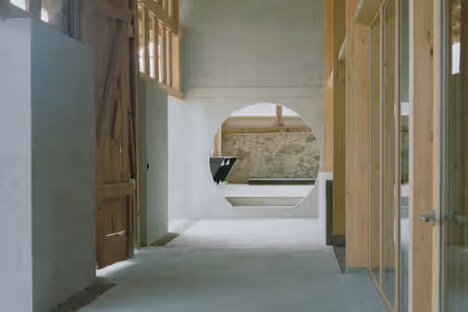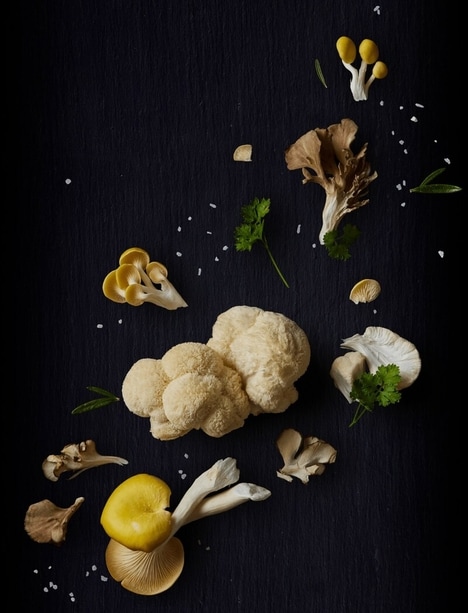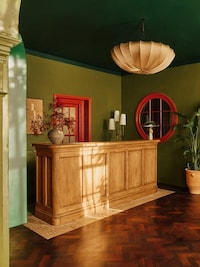
Ballerina Farm is transforming its Kamas Valley property into a farm hospitality destination featuring a restaurant, cafe and market in a Dutch barn. The new setup centers on food grown and raised on the surrounding land, giving visitors a place to eat, shop and learn from the same working farm.
The market will sit across a breezeway from the eatery and stock fresh vegetables, steaks, dairy and prepared items from the farm. A cookery school is planned for 2029, with lessons focused on seasonal cooking and adapting when ingredients are unavailable.
Ballerina Farm demonstrates how a Dutch barn can house a restaurant, cafe and market built around food from the surrounding land, with a cookery school planned for 2029 and a footprint more than five times the size of the existing store and cafe.
Image Credit: AI-generated
Why This Trend Is Growing
- Farm-based Hospitality
- Working farms are evolving into multi-use dining, retail and education destinations that turn agricultural authenticity into immersive consumer experiences.
- Hyperlocal Food Retail
- Markets stocked with produce, meat, dairy and prepared goods from the same property create new value around traceability, freshness and place-based storytelling.
- Seasonal Cooking Education
- Cookery schools focused on ingredient availability reflect rising interest in adaptive food skills, resilient meal planning and deeper farm-to-table literacy.
Industries Being Reshaped
- Agritourism
- Rural properties can expand beyond tours and lodging by integrating restaurants, markets and classes that extend visitor engagement and revenue potential.
- Foodservice
- Restaurants built around on-site sourcing introduce differentiated menus, tighter supply narratives and experiential dining models rooted in the surrounding landscape.
- Specialty Grocery
- Farm markets blending fresh goods with prepared foods present opportunities for destination retail that competes through provenance and experiential shopping.
Featured Reports

When AI Builds the Basket

American Dream Fatigue