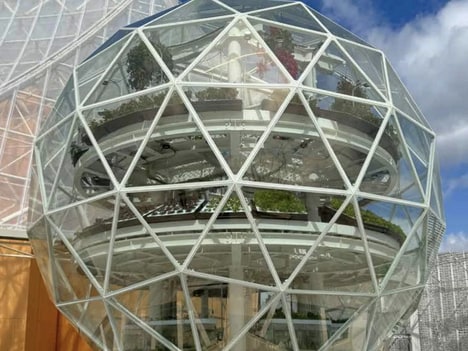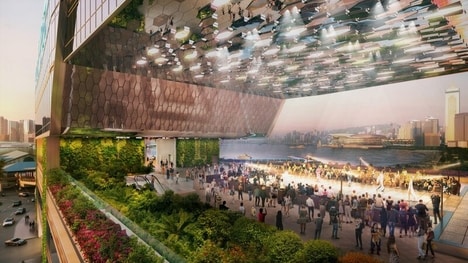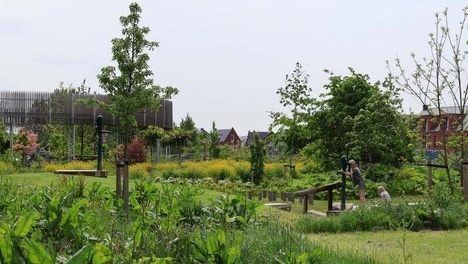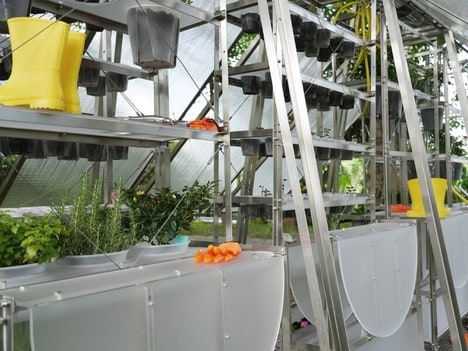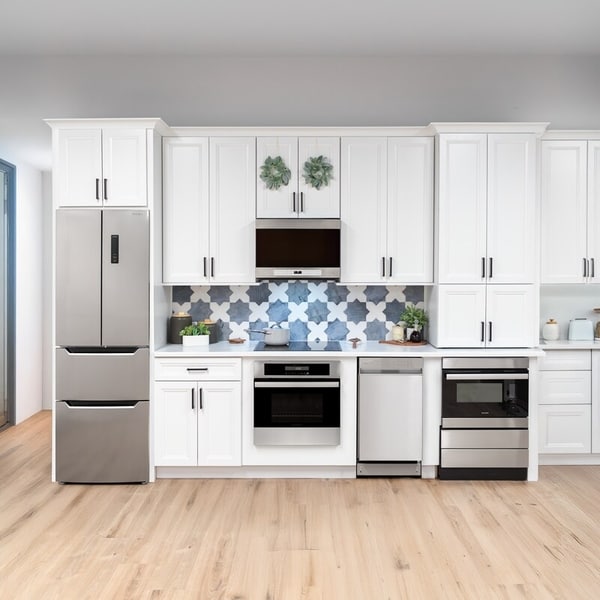
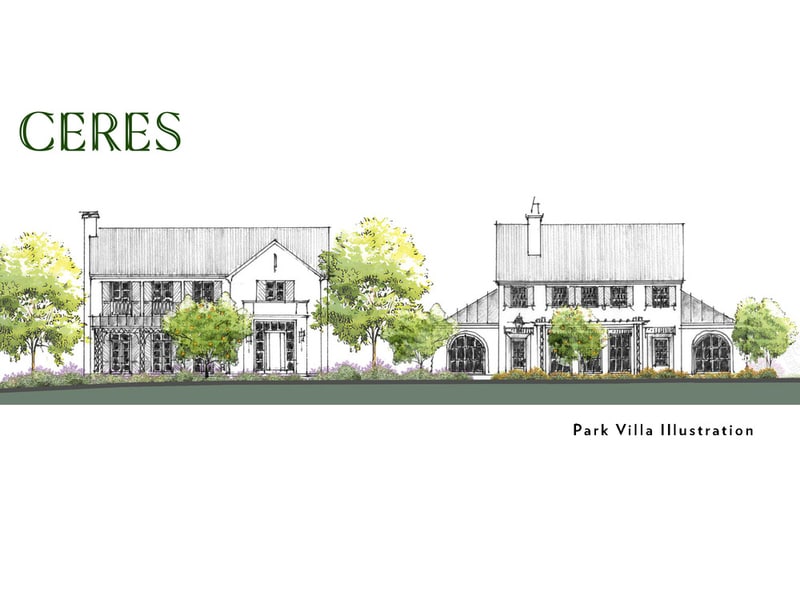
Food-centric communities are redefining residential living by placing food at the core of how neighborhoods are designed and experienced. TNG Communities and Oxford Development Project’s CERES Chatt Hills introduces a model where food is not just an amenity but a central organizing principle. The development integrates edible landscaping, kitchen gardens, orchards and chef-driven dining spaces directly into the community, alongside features like a market hall and culinary incubator. This approach moves beyond traditional agrihoods by embedding smaller, accessible food systems into everyday life rather than relying on large-scale farming.
This model creates new revenue streams across real estate, hospitality and local food ventures. Developers can differentiate properties through lifestyle-driven offerings, while supporting small businesses and attracting tourism. As interest grows, similar projects may emerge, positioning food ecosystems as a key driver of residential design and economic development.
Image Credit: CERES Chatt Hills
Key Themes Behind This Trend
- Embedded Edible Landscaping
- A proliferation of integrated kitchen gardens and orchards within residential plots creates potential for novel property value models tied to on-site food production.
- Culinary-centric Mixed Use
- Neighborhoods designed around chef-driven dining, market halls, and culinary incubators introduce alternative revenue and tenancy structures blending hospitality with housing.
- Micro-scale Food Systems
- Small, distributed food-production networks embedded in daily life enable localized supply chains and new service models for fresh-food logistics and retail.
Where This Applies
- Real Estate Development
- Residential projects that foreground food ecosystems can redefine amenity-driven pricing and attract niche buyer segments seeking lifestyle-centric communities.
- Hospitality and Dining
- Integration of community-scaled chef spaces and market halls points to experiential dining formats and hybrid venue models that blur public and private hospitality functions.
- Local Food Entrepreneurship
- Culinary incubators and on-site food production create room for micro-enterprises and subscription-based food services rooted in hyperlocal sourcing and community membership.