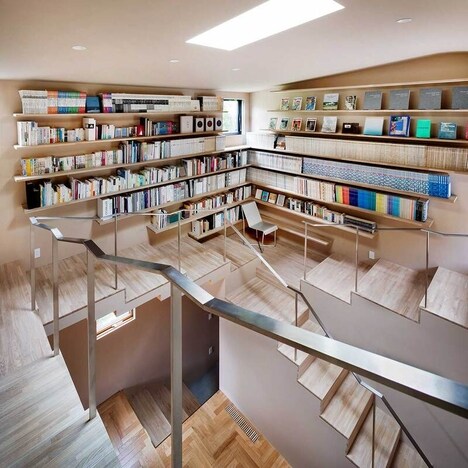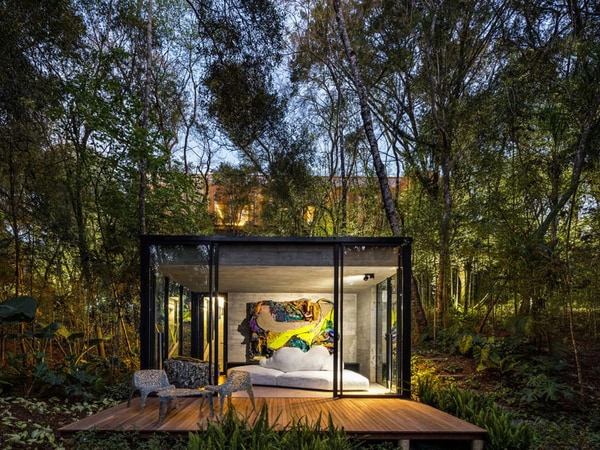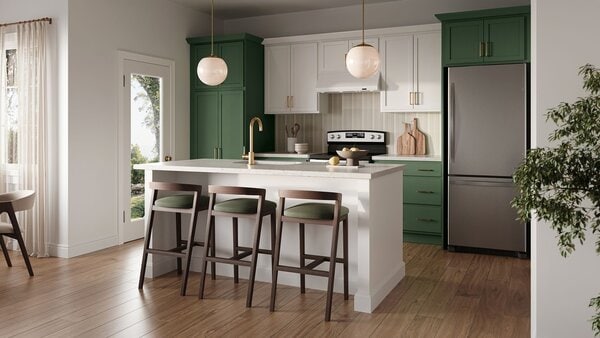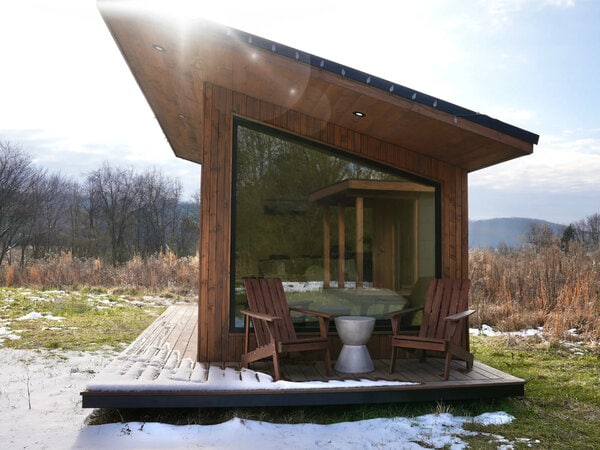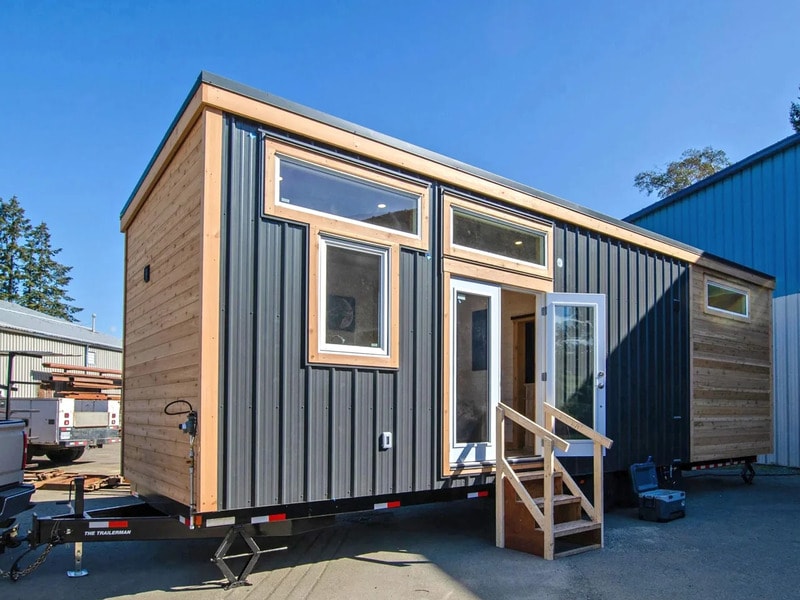
Rewild Homes sustainable house is a residential concept developed in Priors Hall, Corby, that prioritizes environmental integration, energy efficiency and long-term livability. The homes are positioned to preserve existing woodland and mature trees rather than clearing the site. Large windows are placed to maximize daylight and support passive heating and cooling throughout the year. The layout reduces reliance on artificial lighting and mechanical climate systems by using orientation, insulation and controlled ventilation as primary environmental controls.
Construction materials emphasize durability and reduced environmental impact through responsibly sourced timber, low-emission finishes and high-performance building envelopes. The interior layouts balance private living space with direct access to shared outdoor areas, shops and essential services. The development is planned as a walkable community that reduces dependency on cars while maintaining practical access to daily needs.
Image Credit: Rewild Homes
What's Driving This Trend
- Passive House Design
- Incorporating passive heating and cooling techniques, such as strategic window placement and orientation, can significantly reduce the environmental footprint of residential buildings.
- Walkable Communities
- The trend of creating neighborhoods that prioritize pedestrian access over car usage offers opportunities to redefine urban living with sustainable infrastructure.
- Durable Eco-materials
- Using responsibly sourced materials like timber and low-emission finishes can enhance durability while minimizing environmental impact.
Who This Affects Most
- Green Architecture
- The integration of energy-efficient designs and eco-friendly materials in housing projects is transforming the industry towards sustainable building practices.
- Sustainable Construction
- Developments that emphasize environmental responsibility and integration set new benchmarks for eco-focused construction methods.
- Urban Planning
- Redesigning urban spaces to accommodate walkability and reduce vehicular dependency is reshaping the landscape of modern cities.