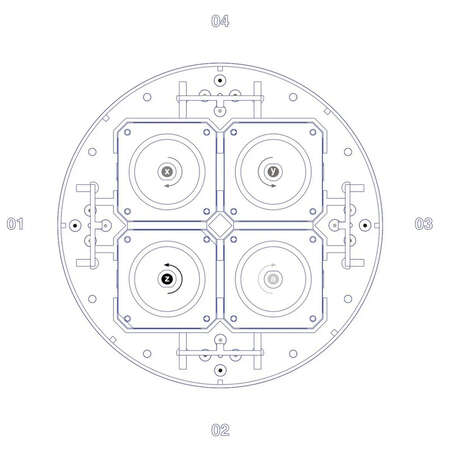
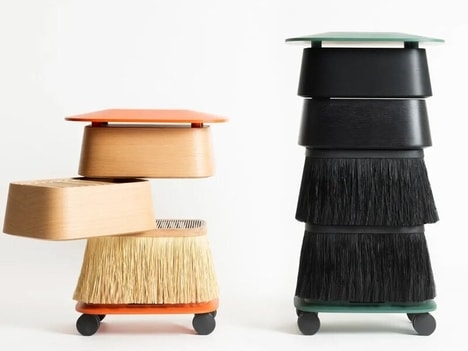
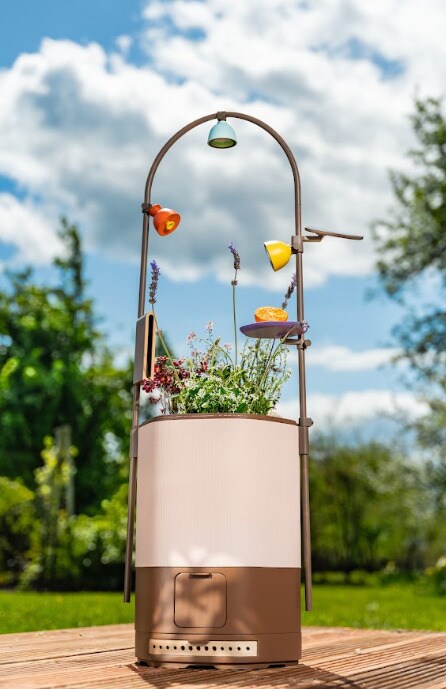
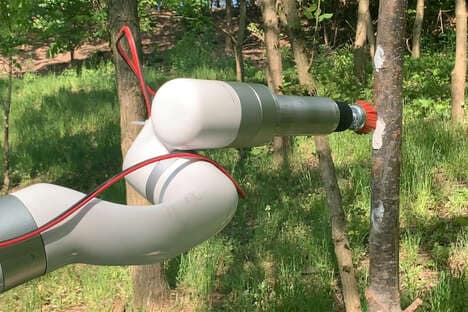
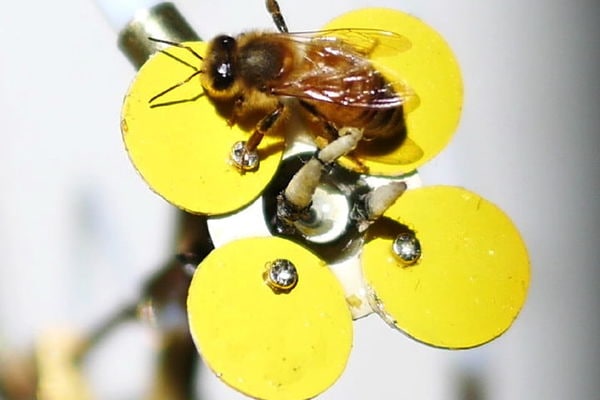
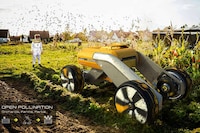
Australian artist Michael Candy developed and produced an innovative robotic flower that is designed to attract real bees. This invention may seem impractical, but the implications of this machine in the field of biomimicry are amazing and it shows a way in which technology can integrate with the natural world. The robotic flowers take inspiration from nature’s biotic pollination systems and are designed to attract bees and attach them with pollen. The flowers are controlled and activated with an array of servos and actuators that attach pollen and nectar to the attracted bee.
Candy was inspired to create this robotic flower because of the importance of bees in the ecosystem. The robotic flower would allow for the reproduction of natural flora through semi-natural means, and could ensure that bees remain an integral part of the natural ecosystem.
The robotic flower is still very much a conceptual piece, but with further adjustments and support it could see real-world applications.
Why This Trend Is Growing
- Biomimicry-inspired Robotics
- There is an opportunity to develop more robotic inventions inspired by nature, such as this robotic flower, that can integrate technology with the natural world.
- Enhanced Pollination Techniques
- Exploring innovative methods, like using robotic attractors, to aid in pollination can lead to improved reproduction of natural flora.
- Ecosystem Preservation Technologies
- Developing technological solutions, like the robotic flower, that support and maintain the crucial role of bees in the natural ecosystem can contribute to ecosystem preservation efforts.
Industries Being Reshaped
- Robotics
- The robotics industry can explore the potential for biomimicry-inspired inventions, such as robotic attractors, to create disruptive solutions.
- Agriculture
- The agriculture industry can benefit from enhanced pollination techniques, like using robotic attractors, to optimize crop production and increase yields.
- Environmental Conservation
- The environmental conservation industry can leverage ecosystem preservation technologies, like the robotic flower, to protect and promote the crucial role of bees in maintaining biodiversity.