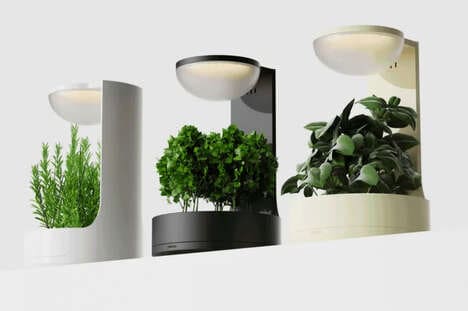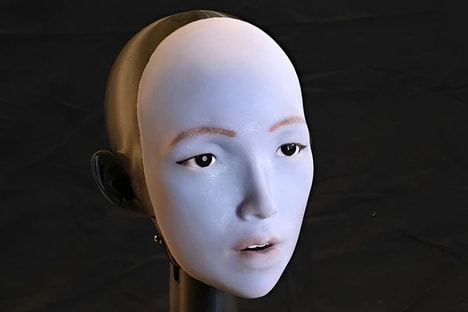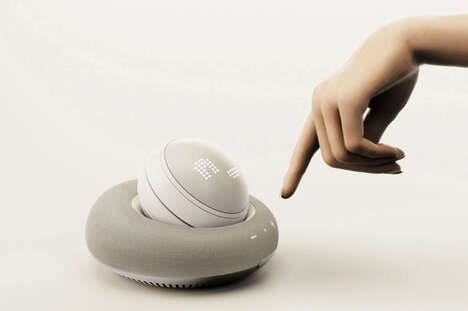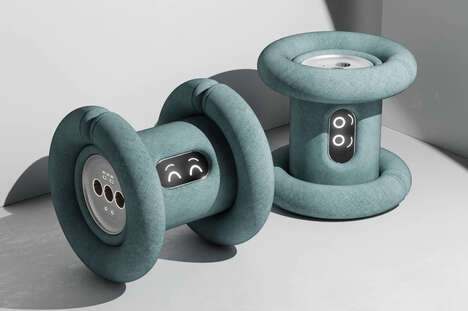
Keunwook Kim designed the non-humanoid Post-Plant robots. Inspired by the growth cycle and emotive movement of plant life, these robots are engineered to respond to and express emotion by reacting to physical touch. This non-verbal and physical interaction follows a period of research on how humans can read emotion via non-verbal cues.
Kim's findings suggested that dynamic energy (arousal), intrinsic attractiveness (valence), and visual disposition (stance) act as signs for emotional analysis. The researcher used this information to create Post-Plant's physical responsive system. For example, Post-Plant spins its propeller-like leaves in response to the touch of shivers, which indicates unhappiness. The goal of the project is to cultivate emotional relationships between humans and robots through non-humanoid kinetic gestures.
Image Credit: Yanko Design / Keunwook Kim
Key Themes Behind This Trend
- Non-humanoid Responsive Robots
- Design robots that can respond to physical touch and express emotions for emotional interactions with humans.
- Emotive Movement Technology
- Innovate technology that can read and express emotions through non-verbal cues for enhanced human-robot interactions.
- Kinetic Gesture Systems
- Develop systems that can convert physical touch into kinetic gestures for emotional expressions in non-humanoid robots.
Where This Applies
- Robotic Technology
- Application of advanced robotic technology for non-verbal human-robot interactions.
- Artificial Intelligence
- Integration of AI and machine learning to create non-humanoid robots that can understand and express human emotions.
- Agrotechnology
- Application of the growth cycle of plant life in robotic technology for expressing emotions and cultivating emotional relationships.