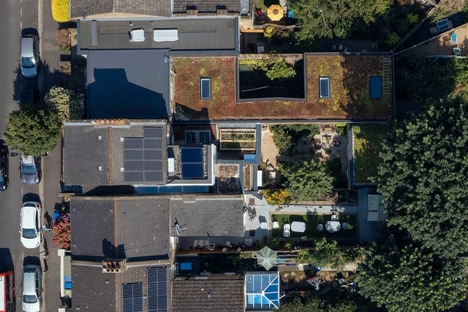
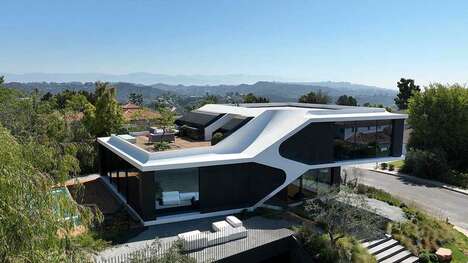
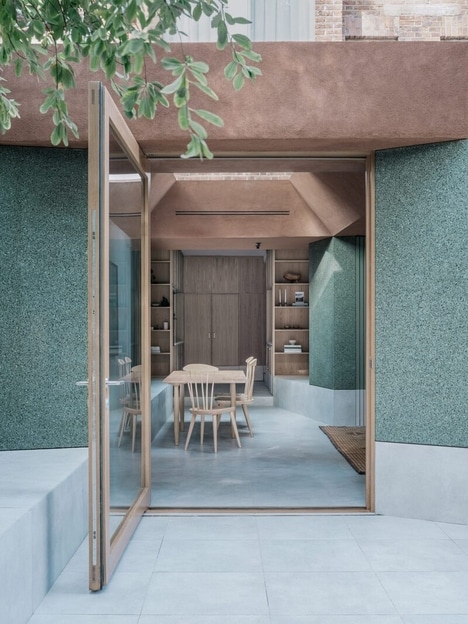
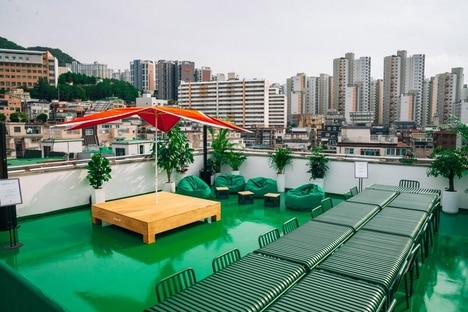
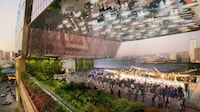
We've been seeing a ton of green and living rooftops lately; the one retrofitted for The Flat in Los Angeles will supply vegetables for the building's restaurant.
Alexis Rochas was faced with the task of retrofitting a green roof for The Flat, a building that was converted from a Holiday Inn into condominiums. His light, sinuous creation makes the most of Los Angeles' abundant sun while still remaining efficient and space-conscious.
Implications - Consumers are becoming much more environmentally conscious as information on detrimental environment effects continue to saturate media outlets. Companies looking to appeal to this demographic may consider donating a portion of their proceeds to organizations working on green initiatives.
What's Driving This Trend
- Retrofitting Green Roofs
- Opportunity for companies to specialize in retrofitting existing buildings with green roofs to meet the growing demand for sustainability.
- Urban Agriculture
- Potential for businesses to develop rooftop vegetable gardens in urban areas to provide fresh produce and promote local food production.
- Environmentally Conscious Consumerism
- Opportunity for brands to cater to the increasing number of eco-conscious consumers by incorporating green initiatives and donating to environmental organizations.
Who This Affects Most
- Architecture and Construction
- Architects and construction companies can offer retrofitting services to transform traditional roofs into green roofs.
- Agriculture and Food
- The agriculture industry can explore rooftop farming as a means to cultivate fresh produce and meet the demand for locally sourced food.
- Retail and Consumer Goods
- Retailers can attract environmentally conscious consumers by incorporating green practices and donating a portion of their profits to environmental initiatives.