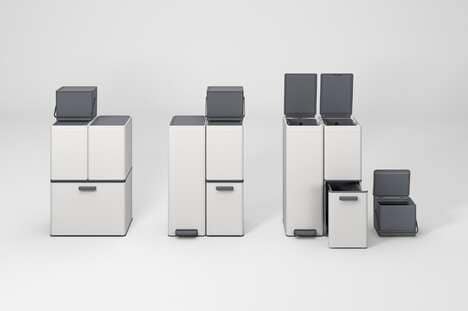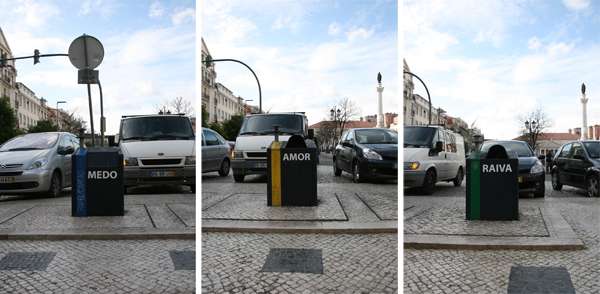
Cabracega has created recycling bins in Lisbon, Portugal, that express your true emotions.
Hugo Tornelo, one of the founders of Cabracega, says that the company wanted to give a deeper level to recycling points. Labelled “Medoâ€, “Amorâ€, and “Raivaâ€, Cabracega embraces everyday emotions that result from a lost love, rage towards a certain incident, and fear of a change that has happened in your life.
Implications - The world is moving towards a greener and more environmentally conscious mode of operation. As such, many initiatives are spawning and incentives are given to consumers to use green products. A simple addition, such as these emotion labels, can dramatically enhance a user's experience and ensure better adaptability by the general public.
Why This Trend Is Growing
- Emotion-responsive Recycling
- Creating recycling bins that express emotions can revolutionize the way people engage with recycling and promote emotional awareness in sustainability.
- Enhanced User Experience
- Labeling recycle bins with emotions can create a more immersive and interactive recycling experience, increasing user engagement and participation.
- Emotional Sustainability
- Integrating emotions into recycling initiatives can foster a deeper connection between individuals and environmental causes, promoting emotional well-being and sustainable practices.
Industries Being Reshaped
- Sustainability
- The sustainability industry can incorporate emotion-responsive recycling to encourage greater public involvement and emotional investment in recycling efforts.
- Waste Management
- Emotion-label recycling bins can disrupt the waste management industry by increasing recycling rates and promoting a more emotional connection between individuals and the disposal of waste.
- User Experience Design
- Integrating emotions into user experience design can have a transformative impact on how people interact with products and services, extending to the realm of recycling and sustainability.