Technology is leaving the gaming world and making its way into the automotive world: Ford made the very clever move of snatching the exclusive-for-now rights to reality simulator headset Oculus Rift.
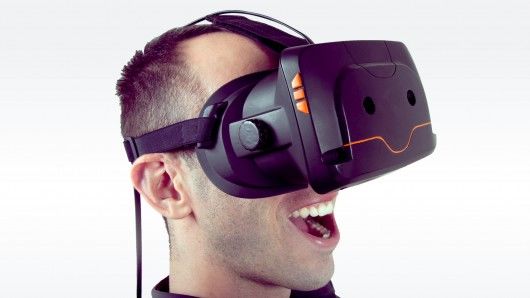
Sounding a lot like a Transformers character, the Oculus Rift (in collaboration with motion-capture technology from Vicon) couldn’t be more different. Agile and a lot more resourceful, this 3-D virtual reality simulator headset is being used by Ford engineers and designers to virtually explore automobile designs.
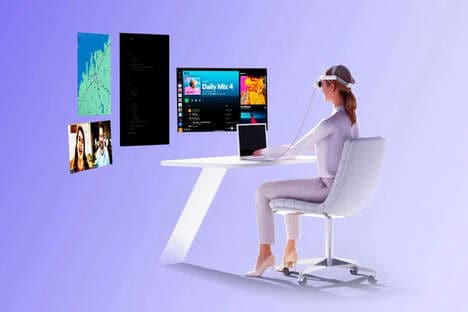
Looking a lot like high-tech ski goggles, the reality simulator system allows Ford to virtually see and feel everything in a car using motion-capture cameras. “The idea here is that auto designers can use this type of system to really look at the design of their vehicle in detail, whether its color, material, or finish,” says Vicon product manager Warren Lester.
Key Themes Behind This Trend
- Transformer-inspired Reality Simulators
- The integration of reality simulator technology, like the Oculus Rift, with motion-capture technology presents disruptive innovation opportunities for various industries.
- Virtual Exploration of Automobile Designs
- The use of 3-D virtual reality simulator headsets, like the Oculus Rift, allows engineers and designers in the automotive industry to virtually explore and enhance automobile designs.
- Enhanced Design Analysis with Motion-capture Cameras
- The incorporation of motion-capture cameras in reality simulator systems enables industries, such as automotive design, to analyze vehicle designs in detail, including color, material, and finish.
Where This Applies
- Automotive Design
- The automotive design industry can leverage reality simulator technology for immersive virtual exploration and analysis of vehicle designs.
- Gaming and Entertainment
- Gaming and entertainment industries can tap into the potential of reality simulator headsets, like the Oculus Rift, to create immersive and captivating virtual experiences.
- Product Design and Development
- Various industries involved in product design and development can utilize reality simulator systems to enhance design analysis and make informed decisions regarding colors, materials, and finishes.