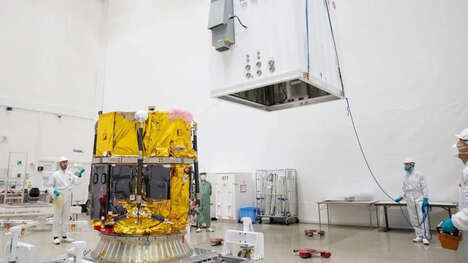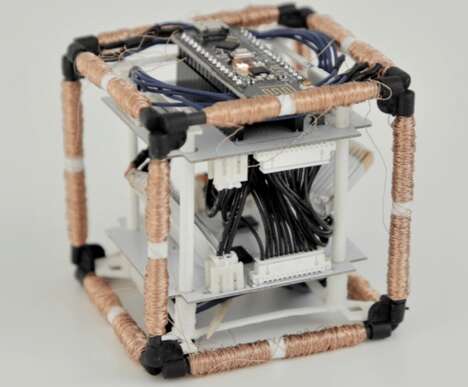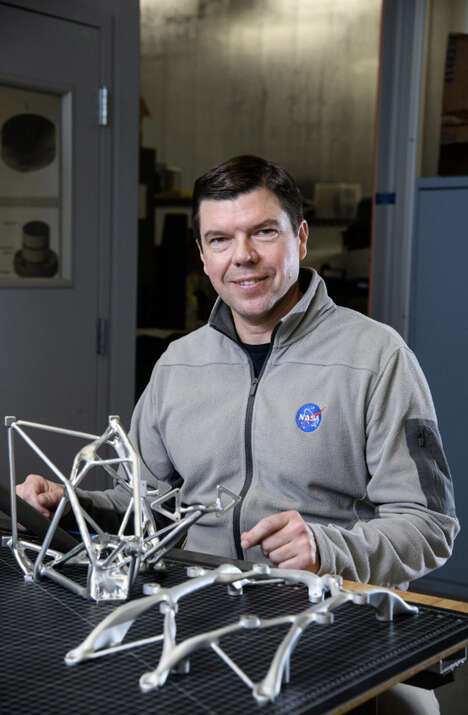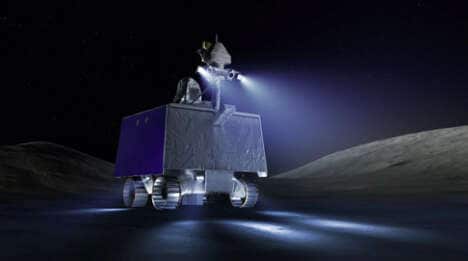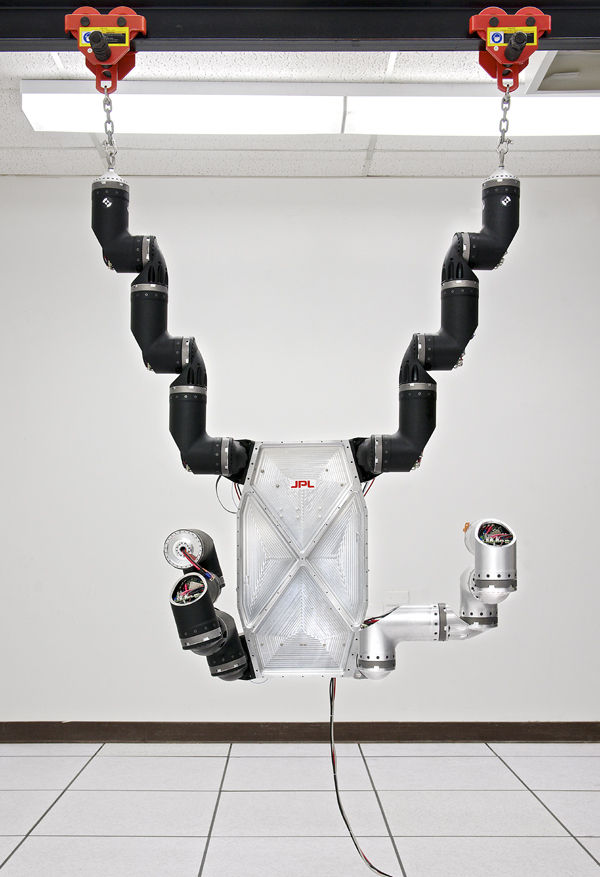

NASA is planning to send robots to the moon within 1,000 days. NASA’s new project M will aim to cut costs by sending robots that will be controlled by scientists back on the Earth.
Robot-based missions are easier, simpler and cheaper than missions that involve people because robots do not need any life-supporting systems. What's more, spacecraft manufacturing would be less complex, and there would be a reduction in the development of the giant rocket that sends the spacecrafts skyward.
What's Driving This Trend
- Robot-based Missions
- Disruptive innovation opportunity: Develop robots that can perform complex tasks in space exploration, reducing the need for human involvement and associated costs.
- Cost-cutting Initiatives
- Disruptive innovation opportunity: Explore technologies and strategies to reduce costs in space exploration by utilizing unmanned robot missions instead of manned missions.
- Spacecraft Manufacturing Optimization
- Disruptive innovation opportunity: Innovate spacecraft manufacturing processes to streamline production and reduce complexity, aligning with the requirements of robot-based missions.
Who This Affects Most
- Space Exploration
- Disruptive innovation opportunity: Integrate advancements in robotics and automation to revolutionize space exploration and maximize cost efficiency.
- Aerospace Engineering
- Disruptive innovation opportunity: Develop new engineering methods and technologies to design and build robots suitable for space missions, enhancing the efficacy of unmanned exploration.
- Manufacturing
- Disruptive innovation opportunity: Adapt manufacturing processes for spacecraft production to meet the unique requirements of unmanned robot-based missions, reducing complexity and costs.