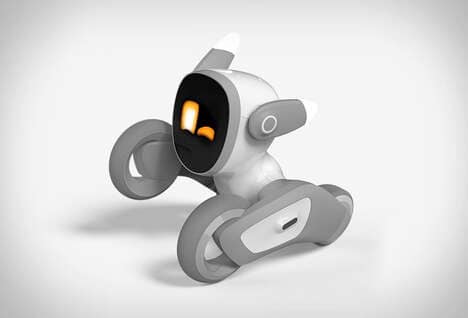
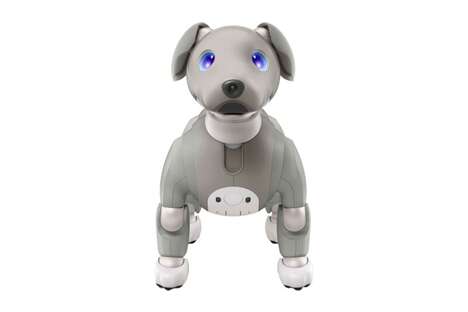
Designer Jihee Kim presents a look at Laika, which is a progressive robotic dog that is powered by AI technology and meant to keep astronauts company on their journeys. The robot pet companion is made to be as life-like as it can and is named after one of the first-ever animals in space.
There are currently some robotic dogs on the market but Laika is meant to be a more friendly design. It can also function as a case of emergencies and even help monitor health conditions for the people who are on board. Laika is constructed from robust titanium -- this way, it is able to combat extreme conditions that may be encountered in space.
Image Credit: Jihee Kim
Why This Trend Is Growing
- AI-powered Robotic Dogs
- An emerging trend in the field of robotics is the development of AI-powered robotic dogs, such as Laika, which can serve as companions for astronauts during their space journeys.
- Robotic Pet Companions
- The rise of robotic pet companions like Laika presents an opportunity for the pet industry to explore new ways to provide companionship and support to customers.
- Health Monitoring Robots
- The integration of health monitoring capabilities in robots like Laika opens up possibilities for the healthcare industry to leverage AI technology for remote patient monitoring and assistance.
Industries Being Reshaped
- Robotics
- The robotics industry can leverage the trend of AI-powered robotic dogs, such as Laika, to drive innovation in space exploration and companion robotics.
- Pet
- The pet industry should consider the disruptive potential of robotic pet companions like Laika, which can offer unique companionship experiences for pet owners.
- Healthcare
- The healthcare industry can explore the use of AI-powered robotic dogs with health monitoring capabilities, like Laika, to enhance remote patient care and assistance.