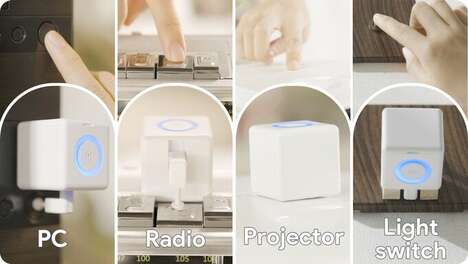


The average consumer is utilizing more smart devices in and out of the house every day, so the 'tapdo' is a programmable button that works to enable them to control them in a customized way.
The 'tapdo' works by being worn on the wrist or placed in the home and can recognize different parts of your hand thanks to the fingerprint scanning technology that it boasts. This enables users to assign different functionalities to be activated depending on the portion of the hand that the 'tapdo' identifies.
The rise in security concerns and the popularity of smartphone technology has given way to the rise of fingerprint identification for even simple tasks. The 'tapdo' programmable button comes as a simple yet effective way to ensure safety and simplicity when using the technology around you.
What Makes This Trend Stand Out
- Fingerprint-scanning Technology
- The rise in security concerns and the popularity of smartphone technology has given way to the rise of fingerprint identification for even simple tasks.
- Smart Device Control
- The 'tapdo' programmable button works to enable users to control their smart devices in a customized way.
- Customized Functionality
- The 'tapdo' allows users to assign different functionalities to be activated depending on the portion of the hand that it identifies.
Sectors Adopting This
- Consumer Electronics
- The advancement of fingerprint-scanning technology presents disruptive innovation opportunities in the consumer electronics industry for enhanced security and personalization.
- Home Automation
- The 'tapdo' programmable button offers opportunities for disruptive innovation in the home automation industry by providing convenient control over various smart devices.
- Security Solutions
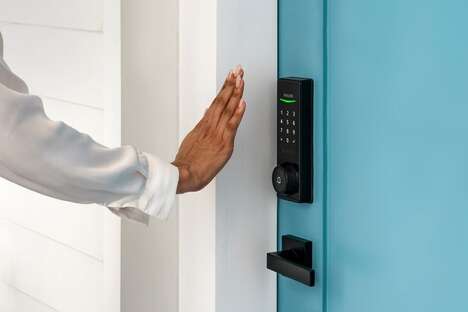
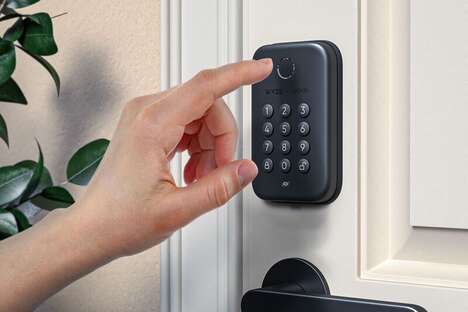
- The use of fingerprint identification in the 'tapdo' opens up disruptive innovation opportunities in the security solutions industry for seamless and secure access control.