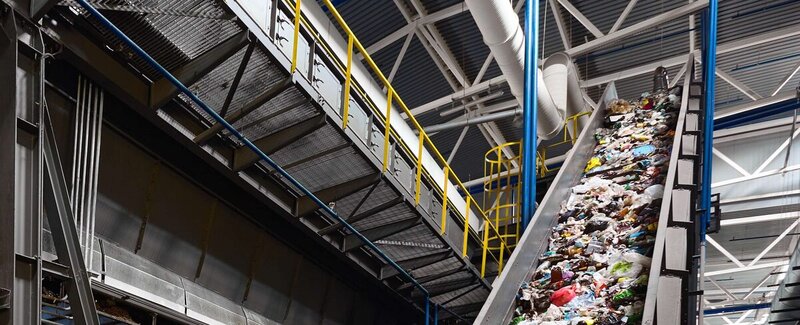
HolyGrail 2030 introduced a pilot to sort and recycle polypropylene snack packets into new food-grade packaging, supported by a consortium including PepsiCo, Ferrero, Mondelēz International and pladis. The project is testing intelligent sorting methods that use digital watermarks and automated separation to distinguish flexible food packaging from non-food packaging in mixed waste streams.
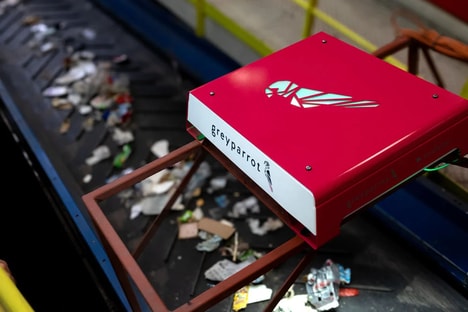
Snack wrappers carrying digital watermarks are being distributed in Belgium and collected through existing recycling channels before undergoing sorting trials in Germany. Specialized cameras will identify and separate the food-grade polypropylene stream, which will then be tested using multiple advanced recycling technologies. Partners will evaluate sorting efficiency, material quality, food-contact compliance and economic feasibility before producing new films.
For consumers, the project aims to create a circular route for flexible snack packaging that is difficult to recycle through current systems. If successful, it could accelerate the adoption of digitally enabled sorting and help food brands meet future recycled-content requirements.
Image Credit: HolyGrail 2030
What's Driving This Trend
- Digital Watermark Sorting
- Embedded package markers create more precise waste-stream identification, opening new value in automated recycling infrastructure and brand-level material traceability.
- Food-grade Flexible Recycling
- Closed-loop polypropylene recovery expands the potential for snack wrappers to become compliant recycled packaging rather than low-value mixed plastic output.
- Consortium-led Circular Packaging
- Cross-brand collaboration reduces the risk of scaling circular systems while enabling shared standards for recycled content, sorting protocols and packaging design.
Who This Affects Most
- Food Packaging
- Flexible wrapper redesign gains strategic importance as brands seek recyclable formats that preserve food safety, shelf life and regulatory compliance.
- Waste Management
- Advanced optical sorting and material-stream separation introduce higher-margin service models for facilities handling complex mixed plastic waste.
- Recycling Technology
- Digital detection systems and advanced polymer processing strengthen demand for integrated platforms that can validate material quality and food-contact readiness.