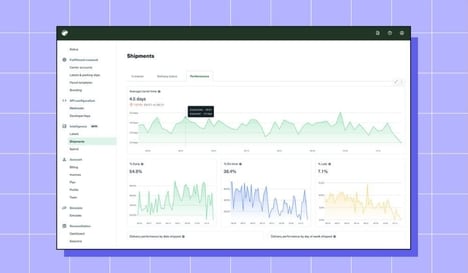
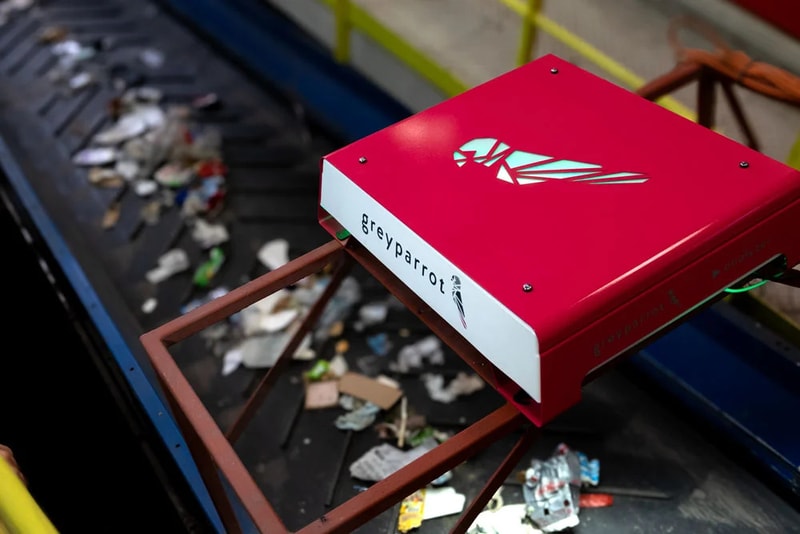
Greyparrot expanded its AI-powered waste intelligence platform through a partnership with consumer health company Kenvue, applying machine learning and image-recognition technology to analyze packaging performance in commercial recycling facilities. The collaboration uses Greyparrot’s Deepnest system to monitor packaging streams in real time, classify materials and measure how components such as labels, pumps and material types affect sorting and recovery rates.
By creating a digital twin of operational recycling systems, the platform gives Kenvue facility-level data on contamination, packaging flow and recyclability outcomes across facilities in the U.K. and U.S. The insights are intended to help packaging teams evaluate design changes before manufacturing prototypes while also preparing for stricter regulations tied to packaging waste and extended producer responsibility frameworks.
For consumers and brands, the technology could improve packaging recyclability and increase transparency around real-world recycling outcomes. The partnership reflects a broader shift toward AI-driven recycling intelligence and digital-twin systems that help companies optimize circular packaging strategies using operational data rather than theoretical models.
Image Credit: Greyparrot
What Makes This Trend Stand Out
- AI-powered Recycling Intelligence
- Machine-learning image recognition that quantifies material flows and contamination levels across facilities, enabling data-driven redesign of packaging for higher recovery rates.
- Digital-twin Packaging Simulation
- Virtual replicas of operational sorting lines that reveal how label types, pumps and material choices influence recyclability outcomes before physical prototyping.
- Real-time Sorting Analytics
- Live monitoring of conveyor streams that exposes transient contamination events and sorting inefficiencies, informing adaptive equipment and policy decisions.
Sectors Adopting This
- Consumer Packaged Goods
- Brands gain evidence-based visibility into how specific package components perform in real-world sorting systems, transforming design and supplier specifications.
- Waste Management & Recycling Facilities
- Facilities obtain operational benchmarks from AI classification to optimize sorting configurations and report compliance metrics with greater accuracy.
- Environmental Compliance & Regulatory Tech
- Regulatory platforms can incorporate operational recovery data to quantify extended producer responsibility outcomes and support verifiable eco-reporting.