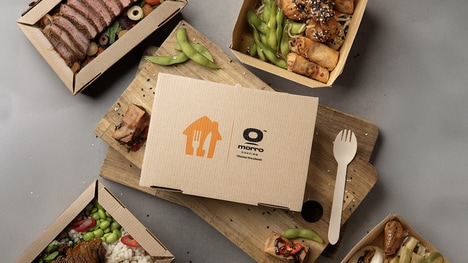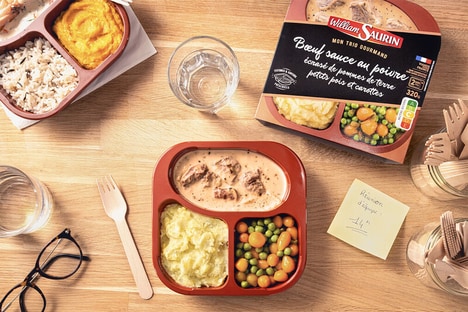
VTT Technical Research Centre of Finland and the University of Vaasa launched a reuse pilot for takeaway and grocery food packaging designed to make returning reusable containers as simple as buying a ready meal, featuring a system intended for supermarket adoption across Europe.
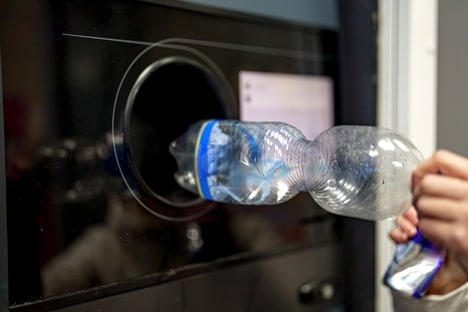
The pilot introduced standardized reusable containers and a return flow coordinated with retail points, with participating supermarkets set to trial the program alongside existing single-use options. The initiative tested user-friendly deposit and return logistics, container cleaning protocols and retailer integration to assess operational feasibility and consumer uptake.
For shoppers, the pilot aimed to reduce single-use waste while keeping convenience intact, reflecting a broader retail trend toward circular packaging solutions that balance hygiene, cost and ease of use.
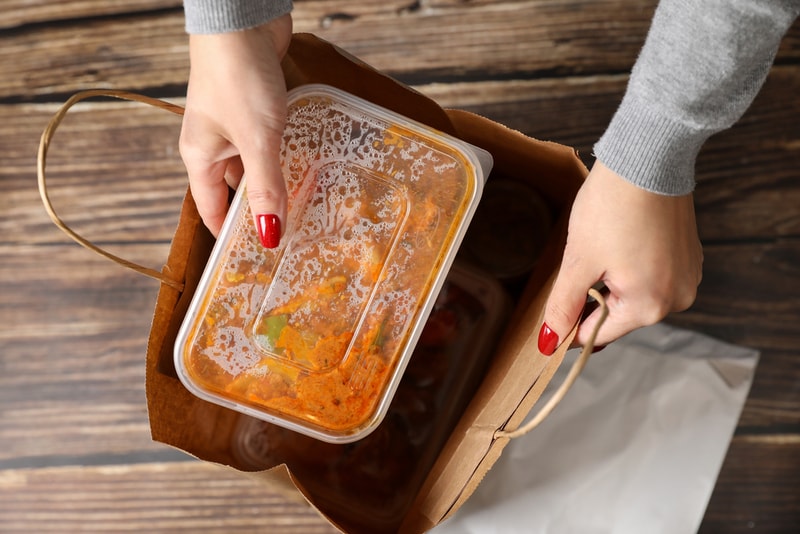
Image Credit: Kovalevich28 / Shutterstock
Key Themes Behind This Trend
- Standardized Reusable Packaging
- A unified container specification creates potential for economies of scale in manufacturing and cross-retailer interoperability that could disrupt single-use supply chains.
- Retail Return Flow Integration
- Coordinated in-store return points and point-of-sale tracking present an opportunity to reshape store layouts and customer journeys around circular asset management.
- Deposit-based Circular Models
- Consumer-facing deposit and incentive mechanics enable a financially circular system that changes cost recovery and asset utilization patterns for packaging.
Where This Applies
- Supermarkets and Grocery Retail
- Retailers stand to reconfigure inventory and waste-management economics by embedding reusable packaging into core fulfillment and checkout processes.
- Food Delivery and Ready-meal Producers
- Prepared-meal brands could lower packaging expense and brand carbon footprint through reusable container adoption that alters product design and distribution models.
- Logistics and Cleaning Services
- Specialized cleaning, tracking, and reverse-logistics operations become high-value services as container sanitization and rapid turnover requirements create new service layers.