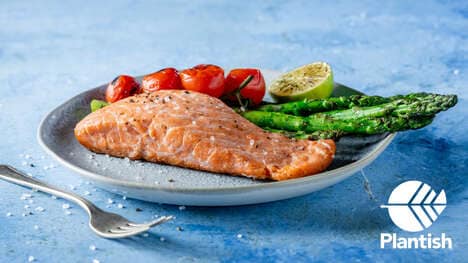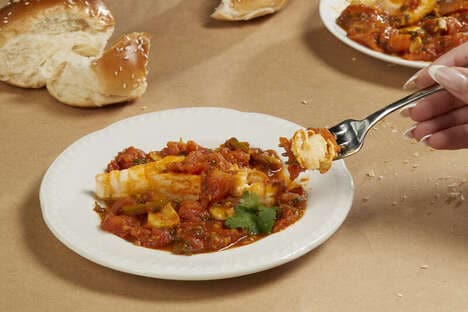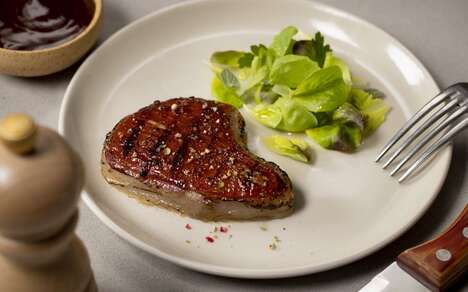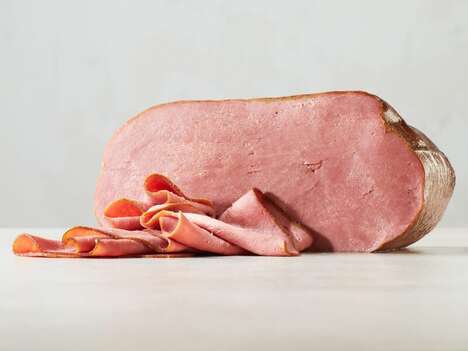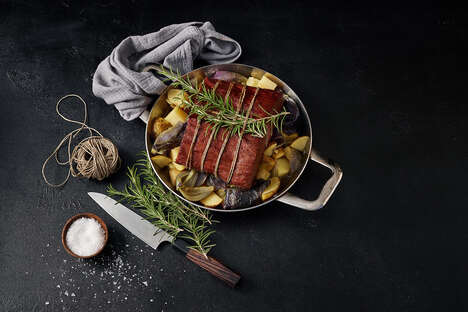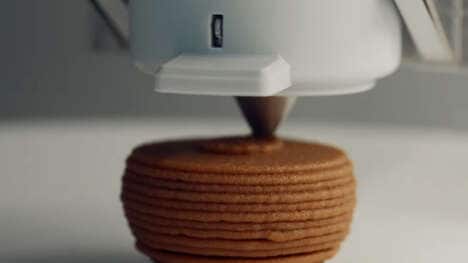


Many companies that are passionate about the environment and supporting the needs of consumers who follow a plant-based diet are now creating plant-based meat alternatives. Jet-Eat is an Israeli start-up that is creating a plant-based product with the flavor and texture of meat and it does so with 3D printing technology.
As Jet-Eat founder Eschchar Ben Shitrit describes, "Meat is characterized by four components: the muscle, the fat within it, myoglobin and a connective tissue. We replicated, with our 3D printer and precise formulations, the complex matrix that is meat."
Founded in early 2018, Jet-Eat is aiming to bring its innovative, 3D-printed plant-based product to market by 2020. Jet-Eat is competing as a finalist at the EIT Food Venture Summit and has the potential to win $68,000 to support its venture.
What's Driving This Trend
- Plant-based Meat Substitutes
- The rise of 3D printing technology is creating new opportunities for plant-based meat substitutes that accurately replicate meat's texture and flavor.
- 3D Printing for Food Production
- With the rise of 3D printing technology, there's an opportunity to revolutionize food production through precise formulations and replicating complex matrices.
- Alternative Protein Sources
- Creating alternative protein sources such as 3D-printed plant-based products is a trend in response to increasing demand for sustainable and environmentally-friendly diets.
Who This Affects Most
- Food and Beverage Industry
- 3D printing technology presents an opportunity for the food and beverage industry to innovate and develop new products, specifically plant-based meat alternatives.
- Agriculture Industry
- As plant-based meat substitutes become more popular, there may be opportunities for the agriculture industry to pivot towards plant-based protein production.
- Technology Industry
- The development and use of 3D printing technology in the food industry presents an opportunity for the technology industry to collaborate and provide solutions for food production.