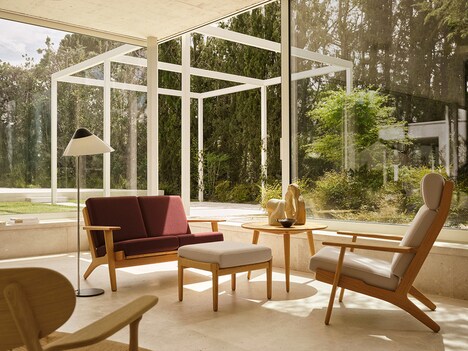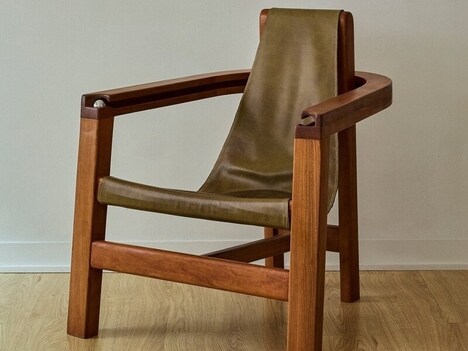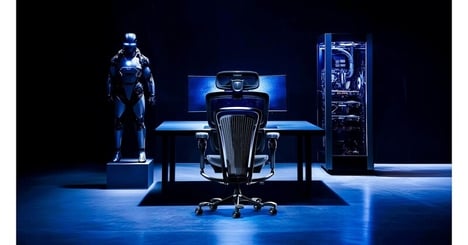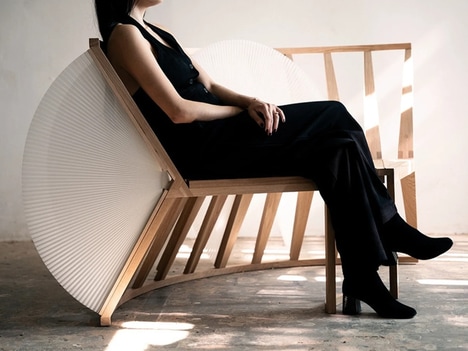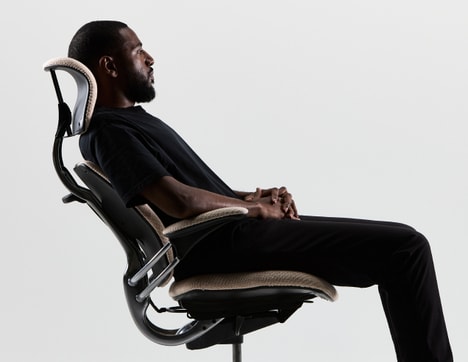
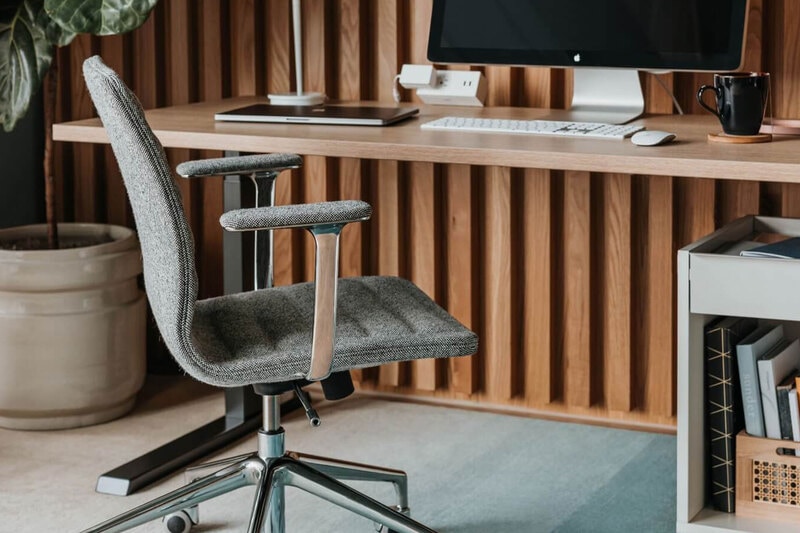
Haworth introduced a line of performance chairs is designed for people who spend extended hours at desks, featuring adaptive ergonomics with sensors and mechanics informed by billions of posture data points.
The collection is built to respond to movement and supports posture shifts throughout the day, with frames and cushioning engineered for prolonged daily use. Each model underwent millions of cycle tests for durability and pairs refined aesthetics with functional details meant to integrate into modern workspaces.
The chairs aim to make long workdays more comfortable and productive by reducing fatigue and supporting healthier sitting habits. For professionals and hybrid workers, the seating offers a science-based upgrade that aligns with trends toward wellness-focused office gear and long-term product resilience.
Image Credit: Haworth
What's Driving This Trend
- Sensor-driven Furniture
- Continuous embedded sensors in seating generate longitudinal biomechanical datasets enabling predictive comfort tuning and lifespan optimization.
- Adaptive Ergonomics
- Dynamic support systems that shift with micro-movements open pathways for individualized support profiles and modular component upgrades.
- Wellness-focused Office Gear
- An emphasis on health outcomes reframes furniture as measurable wellness tech with integrated analytics for fatigue reduction and performance metrics.
Who This Affects Most
- Office Furniture Manufacturing
- Manufacturers can transition from static products to durable, data-enhanced platforms that combine design aesthetics with upgradeable sensor ecosystems.
- Occupational Health Technology
- Workplace health providers gain access to objective posture and fatigue datasets that enable predictive risk modeling and tailored ergonomic programs.
- Hybrid Workspace Design
- Design firms are presented with opportunities to integrate sensor-informed seating into spatial layouts that balance flexibility, privacy, and long-duration comfort.