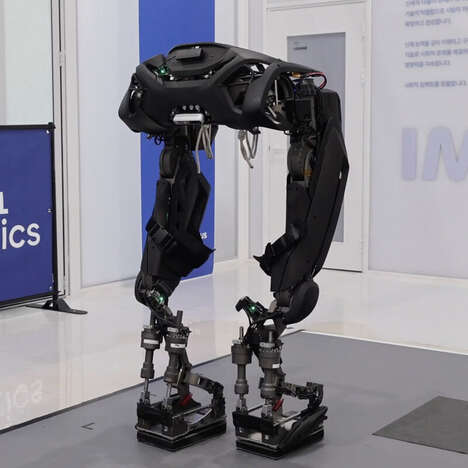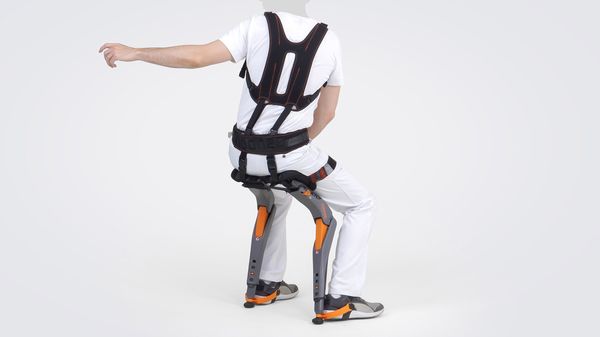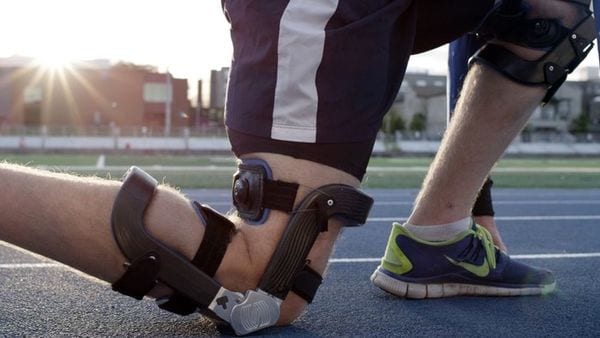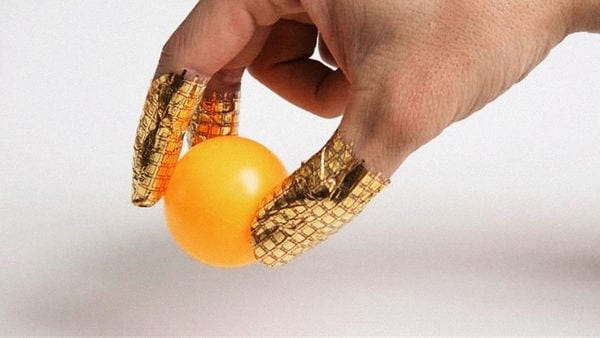
The A-Gear passive exoskeleton is a highly ingenious device that is capable of completely changing the lives of people suffering from Duchenne muscular dystrophy. This particular type of muscular dystrophy causes the muscles of the victims to shrink over the course of their lifetime, eventually leaving them unable to use their arms and legs at all in their daily life.
The device comes in two variants. The first exoskeleton version is a passive setup that doesn't use any power source or motors. The second version is designed for people with more advanced dystrophy, and is powered by motors that are activated by electrical muscle signals.
The device's development has been spearheaded by the Flextension Foundation, and has been in the works for a good four years now. The exoskeleton is capable of changing the lives of Duchenne muscular dystrophy patients by putting their day-to-day tasks back in their hands.
What Makes This Trend Stand Out
- Passive Exoskeletons
- Passive exoskeleton technology offers disruptive innovation opportunities for enhancing mobility and independence for individuals with muscular dystrophy.
- Motor-powered Exoskeletons
- Motor-powered exoskeleton technology presents disruptive innovation opportunities for more advanced cases of muscular dystrophy, providing enhanced mobility through electrical muscle signals.
- Assistive Technology for Muscular Dystrophy
- The development of assistive technology specifically designed for Duchenne muscular dystrophy patients holds disruptive innovation opportunities for improving their quality of life and restoring independence.
Sectors Adopting This
- Medical Devices
- The medical device industry can explore disruptive innovation opportunities in the development and manufacturing of passive and motor-powered exoskeletons for muscular dystrophy patients.
- Rehabilitation and Physical Therapy
- The rehabilitation and physical therapy industry can benefit from disruptive innovation opportunities by incorporating passive and motor-powered exoskeletons into treatment plans for muscular dystrophy patients.
- Mobility and Accessibility Solutions
- The mobility and accessibility solutions industry can capitalize on disruptive innovation opportunities to create assistive technology that meets the unique needs of individuals with muscular dystrophy.