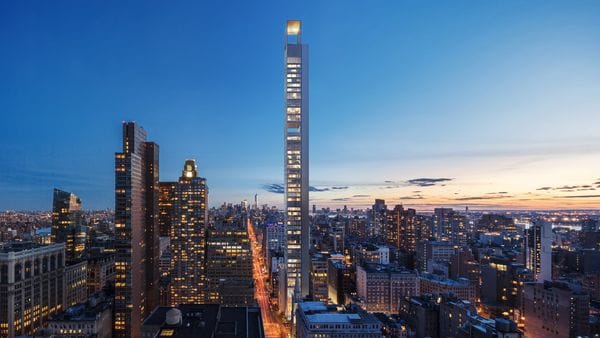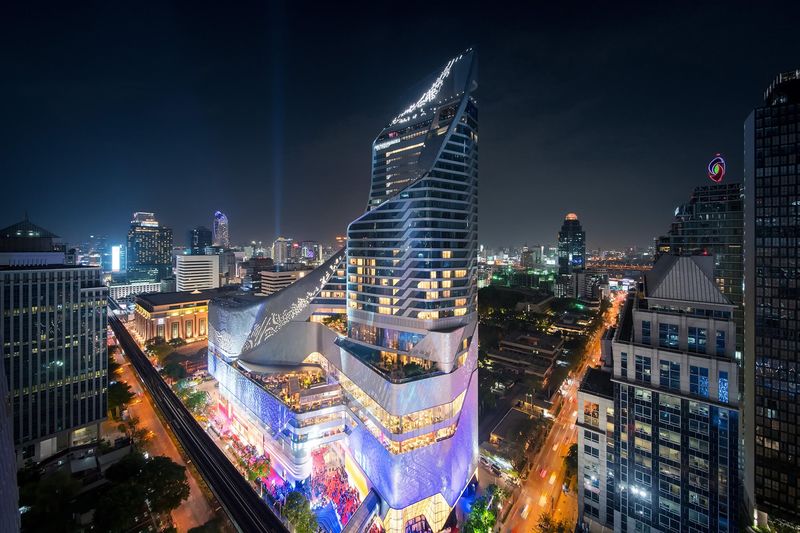
The newly opened Park Hyatt Bangkok is the first of its kind in the Thai city.
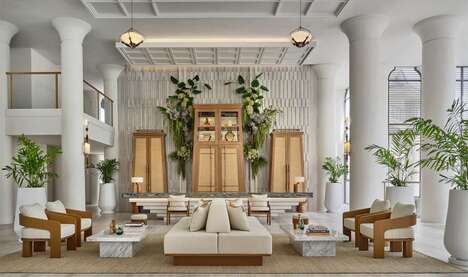
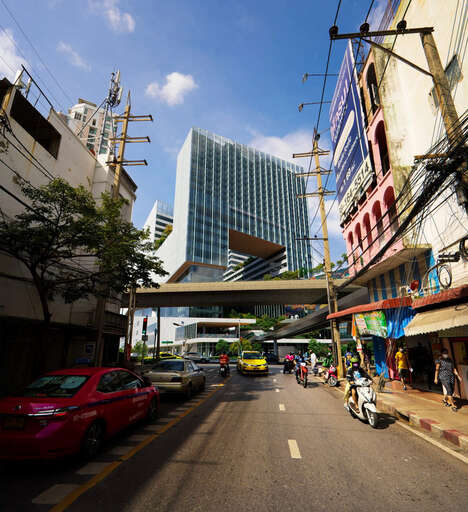
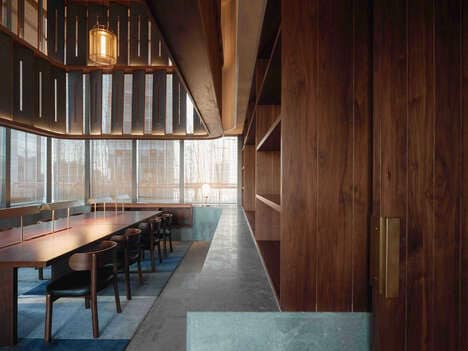
As with Park Hyatt hotels in other major cities, the hotel uses art as a focal point with two installations created by Japanese artist Hirotoshi Sawada. The hotel tower and adjoining luxury shopping mall form a three-dimensional figure eight (a symbol of luck in Chinese culture) when seen from above. The facade of the hotel is covered in aluminium tiles, forming a glistening patterned effect reflective of traditional Thai architecture. With an interior designed by New York-based firm Yabu Pushelberg, the space is intended to be reflective of Thai culture and customs.
The Park Hyatt Bangkok will offer lavish permanent residences and world-class restaurants all with traditional Thai influences.
What's Driving This Trend
- Luxury Art-focused Hotels
- Hotels are focusing on art installations and reflecting local culture to enhance the guest experience.
- Three-dimensional Building Design
- Hotels are exploring unique building designs with three-dimensional shapes and patterns to reflect local culture and create a distinct brand image.
- Permanent Residences Within Hotels
- Hotels are expanding their offerings to include luxury permanent residences for guests who want to live in the same aesthetic and cultural context after their stays.
Who This Affects Most
- Hospitality Industry
- Hotels are using art and design to create a unique guest experience and offer permanent residences for guests.
- Real Estate Industry
- Hotels are expanding into the luxury real estate market by offering permanent residences for guests.
- Art and Design Industry
- Hotels are commissioning art installations and collaborating with design firms to create unique and culturally reflective spaces for their guests.