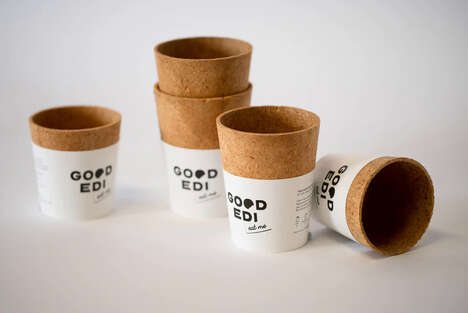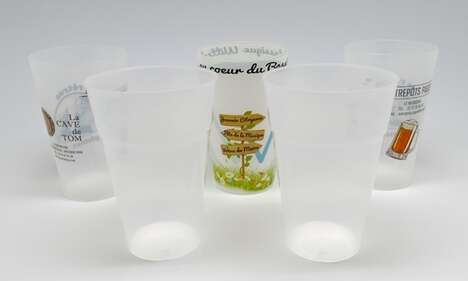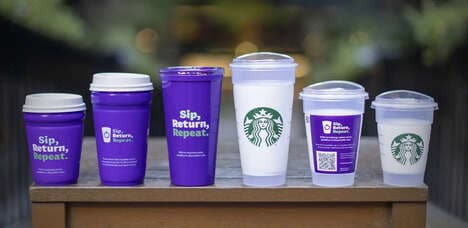

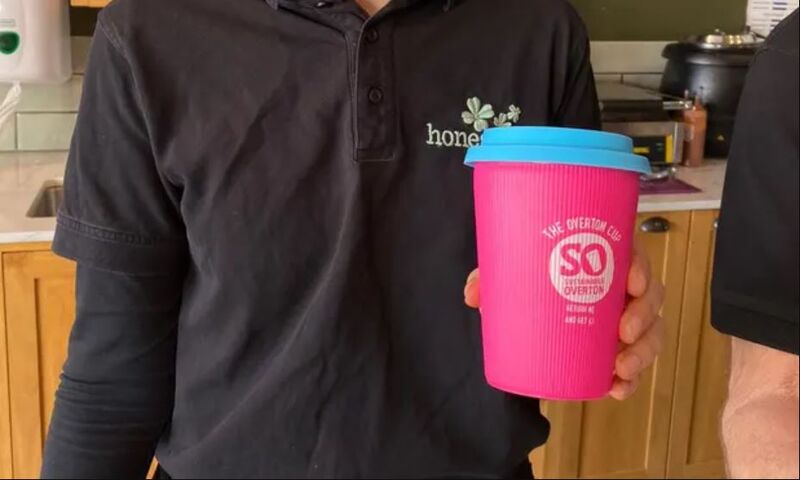
In light of the growing climate crisis, Sustainable Overton launched the Overton Cup in a Hampshire village to reduce disposable cup waste.
The coffee cup, named after the village of Overton, is made of durable plastic and comes in a range of bright color combinations like pink and light blue or orange and neon green. The strengthened construction allows the Overton Cup to be used and washed repeatedly for hundreds of uses. Consumers can rent an Overton Cup for one to two pounds from many of the local shops and cafes, then return it to any deposit in the village.
The sustainability initiative allows consumers to support local businesses while benefiting the environment. Through the initiative, Sustainable Overton hopes to encourage other villages to establish their own climate councils to take on the growing problem.
Image Credit: The Guardian
Why This Trend Is Growing
- Reusable Food Containers
- Creating Eco-friendly containers for takeaway foods can significantly reduce paper and plastic waste.
- Service-based Sharing Economy
- Creating sustainable service sharing will encourage users to participate in environmentally friendly behaviours.
- Circular Economy
- The circular economy can promote recycling and reusing while reducing landfill waste.
Industries Being Reshaped
- Food and Beverage
- Innovative reusable food containers can reduce the environmental footprint of the industry significantly.
- Shared Mobility
- Service-based sharing economy can transform the traditional approach of mobility increase the use of flexible transportation systems.
- Waste Management
- Circular economy designs can help to reduce landfill waste by optimizing the use of resources.