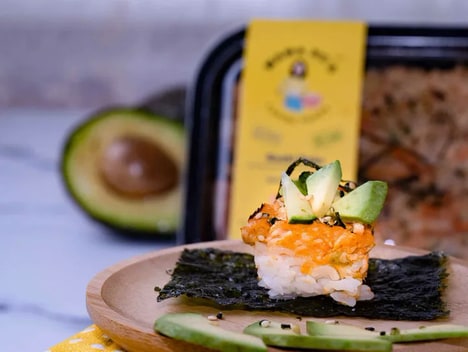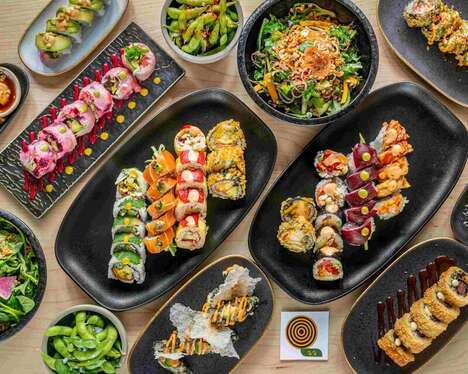
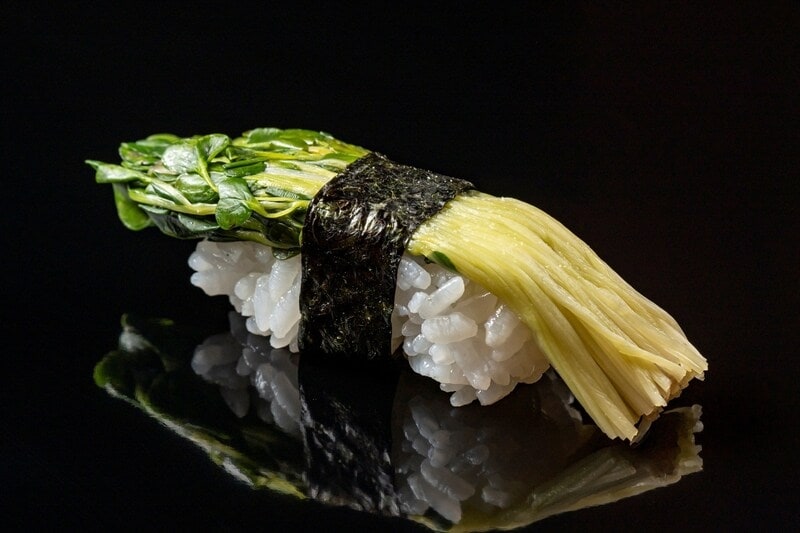
Vegetable-focused sushi too often feels like an afterthought, hastily assembled with far less intention than fish-based rolls, but Tabimori's Sushi University offers an omakase sushi course for vegetarians and vegans. This authentic sushi experience caters to the approximately 1.5 billion people around the world who follow a vegetarian or plant-based diet, and it recognizes that although Japan has seen a surge in international tourism in recent years, visitors with specialty diets are often limited when it comes to food—sushi in particular.
Whether they actively avoid eating fish for ethical reasons or simply dislike raw seafood, people benefit from being able to explore plant-powered omakase through the Five Tastes, Five Colors, and Five Techniques as they relate to flavor, presentation, and nutrition.
Key Themes Behind This Trend
- Plant-based Omakase Experiences
- Vegetarian and vegan omakase introduces a sophisticated dining option for individuals seeking plant-based sushi that does not compromise on culture or quality.
- Specialty Diet Tourism
- With the rise in global travel, there is an increasing demand for accommodating dietary preferences, allowing businesses to capture international tourists seeking inclusive culinary experiences.
- Culinary Authenticity with a Twist
- Emphasizing traditional techniques adapted for plant-based ingredients offers a fresh take on classical dishes, appealing to modern consumers who value both authenticity and innovation.
Where This Applies
- Plant-based Cuisine
- As dietary preferences shift towards vegetarianism and veganism, the plant-based cuisine industry has the potential to redefine traditional food experiences by embracing innovation in cultural dishes.
- Tourism and Hospitality
- The tourism sector can leverage the growing interest in culinary inclusivity to enhance cultural and gastronomic appeal for visitors with specific diet requirements.
- Culinary Education
- Incorporating plant-based alternatives into culinary training provides chefs with the necessary skills to cater to diverse dietary needs, fostering a new era of gastronomical creativity.