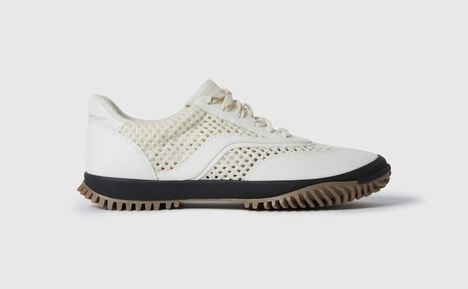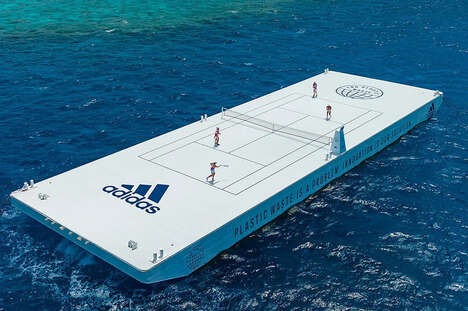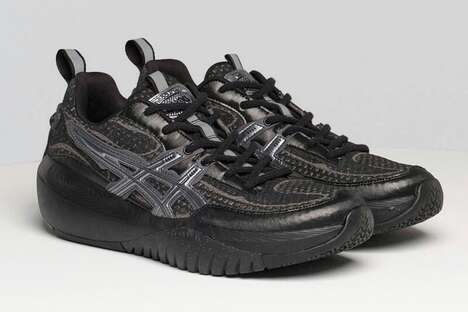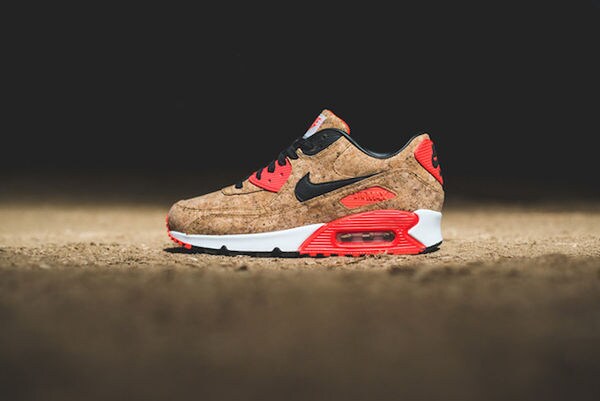
Adidas recently released a prototype for a sneaker made entirely out of ocean trash. Many companies have been experimenting with using recycled materials in their products and now Adidas has found a way to use the plastic waste found in our oceans.
The Adidas prototype is made from illegal gill nets, which have been collected by a non-profit organization called Sea Shepherd. The shoes are then assembled using innovative knitting technology. The knitting process produces zero waste, making it more efficient than traditional shoe manufacturing. Currently, Adidas only plans to use fishing nets and other accessible beach trash because these materials are the easiest to collect. However, the company hopes to develop new technology that may be able to incorporate microplastics into the shoes as well.
The aim of the project is not only to put ocean trash to good use, but to ultimately prevent plastic from getting into the ocean in the first place.
Key Themes Behind This Trend
- Ocean Trash Recycling
- The trend of using recycled ocean trash materials in products presents opportunities for disruptive innovation in various industries.
- Zero Waste Manufacturing
- The trend of zero waste manufacturing techniques, such as innovative knitting technology, creates opportunities for disruptive innovation in the footwear industry and beyond.
- Microplastic Incorporation
- The trend of incorporating microplastics into products like sneakers enables disruptive innovation in materials science and sustainability.
Where This Applies
- Apparel
- The apparel industry has the potential to disrupt the market by using recycled ocean trash materials in their products, such as sneakers made from ocean plastic.
- Footwear
- The footwear industry can embrace disruptive innovation by adopting zero waste manufacturing techniques, like the knitting process used by Adidas in their ocean trash sneakers.
- Materials Science
- The materials science industry has an opportunity to innovate by developing new technologies to incorporate microplastics into products, expanding the possibilities for sustainable materials.