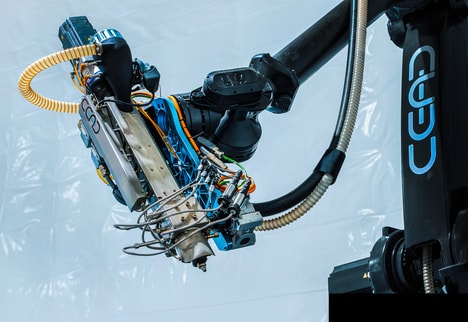

NX Atomics is advancing small modular reactor production by partnering with Sciaky to manufacture reactor components using industrial-scale metal 3D printing. By applying Electron Beam Additive Manufacturing (EBAM), the company aims to reduce production costs, shorten lead times, and simplify the fabrication of nuclear-qualified parts. The approach adapts manufacturing techniques already proven in aerospace, defense, and space industries, where additive manufacturing has moved from prototyping to large-scale production.
The development highlights a broader shift toward digitally enabled manufacturing in the energy sector. Traditional nuclear projects often face cost overruns and lengthy construction timelines due to complex supply chains and specialized components. Additive manufacturing offers a way to streamline production while increasing design flexibility and scalability. For reactor developers, this could improve project economics and accelerate deployment. As demand for clean baseload power grows, advanced manufacturing methods may become a key differentiator for companies seeking to commercialize next-generation nuclear technologies.
Image Credit: Sciaky
Why This Trend Is Growing
- Additive Nuclear Fabrication
- Industrial metal 3D printing introduces lower-cost pathways for producing nuclear-qualified components with fewer tooling constraints and shorter production cycles.
- Digitized Reactor Supply Chains
- Software-driven manufacturing networks create new potential for standardized reactor parts, improved traceability, and reduced dependence on highly specialized legacy suppliers.
- Scalable SMR Production
- Factory-based component manufacturing supports a shift from one-off nuclear construction toward repeatable small modular reactor deployment with stronger project economics.
Industries Being Reshaped
- Nuclear Energy
- Advanced fabrication methods are reshaping reactor commercialization by reducing bottlenecks that have historically slowed clean baseload power projects.
- Additive Manufacturing
- Large-format metal printing gains strategic relevance as safety-critical energy applications expand beyond aerospace, defense, and space production.
- Clean Power Infrastructure
- Next-generation manufacturing capabilities strengthen the economics of low-carbon grid assets by enabling faster buildouts and more flexible component design.