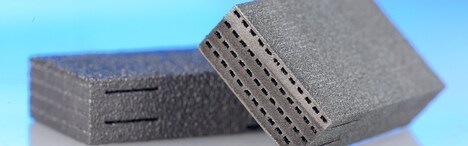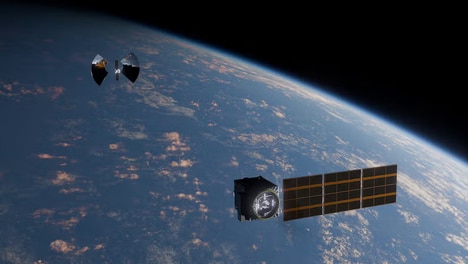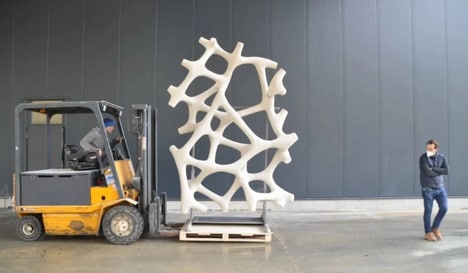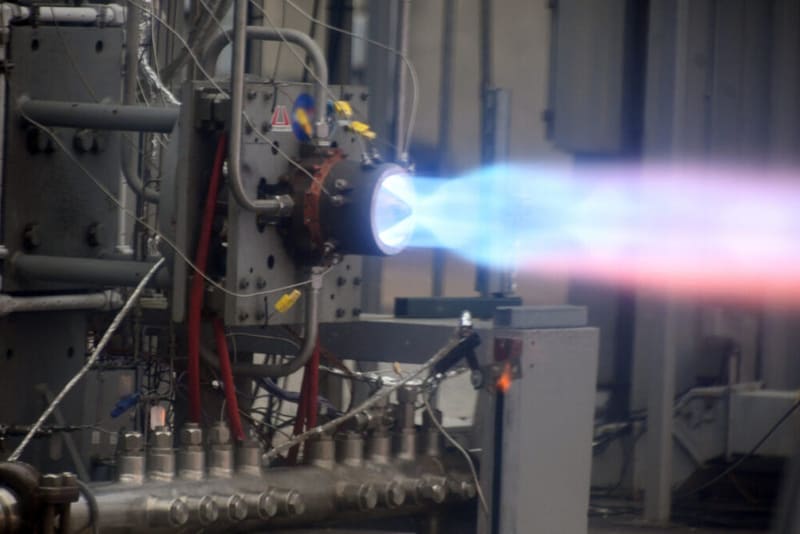
3D-printed space propulsion is reshaping aerospace manufacturing by enabling rocket engines and spacecraft components to be built with lighter, more efficient, and highly complex internal structures. Astrobotic recently tested its Chakram rotating detonation rocket engine using Elementum 3D’s PermiAM metal additive manufacturing technology, which allows engineers to control porosity within printed components. This approach improves thermal management, structural efficiency, and fluid flow while reducing the need for multiple assembled parts. By combining propulsion development with advanced additive manufacturing, Astrobotic is creating systems better suited for demanding space environments and future lunar missions.
From a business perspective, additive manufacturing can reduce production complexity, shorten development timelines, and lower material waste for aerospace companies. It also supports the growing push toward lunar infrastructure and off-Earth manufacturing, where lightweight and adaptable systems are essential. As commercial space activity expands, companies may increasingly invest in integrated 3D-printed propulsion and spacecraft technologies to improve scalability and mission efficiency.
Image Credit: Elementum 3D
What Makes This Trend Stand Out
- Additive Manufacturing Porosity Control
- Consolidation of complex internal geometries and graded porosity within single printed components that improve thermal management and reduce part count.
- Integrated 3d-printed Propulsion
- The merging of propulsion systems and structural components into unified printed assemblies that enhance performance-to-weight ratios and simplify system architectures.
- Off-earth Manufacturing and Lunar-ready Systems
- A shift toward designs optimized for in-situ or near-term lunar production that favor lightweight, adaptable, and repairable printed hardware for sustained operations.
Sectors Adopting This
- Aerospace Propulsion
- Additive-printed engines with internal cooling and optimized flow paths that can challenge traditional casting and welding supply chains.
- Lunar Infrastructure Development
- Modular, printable components tailored for low-gravity deployment that redefine logistics and resource allocation for surface habitats and refueling stations.
- Metal Additive Materials and Equipment
- Advanced alloys and specialized printers enabling controlled porosity and high-temperature performance that could displace conventional metallurgy in critical applications.