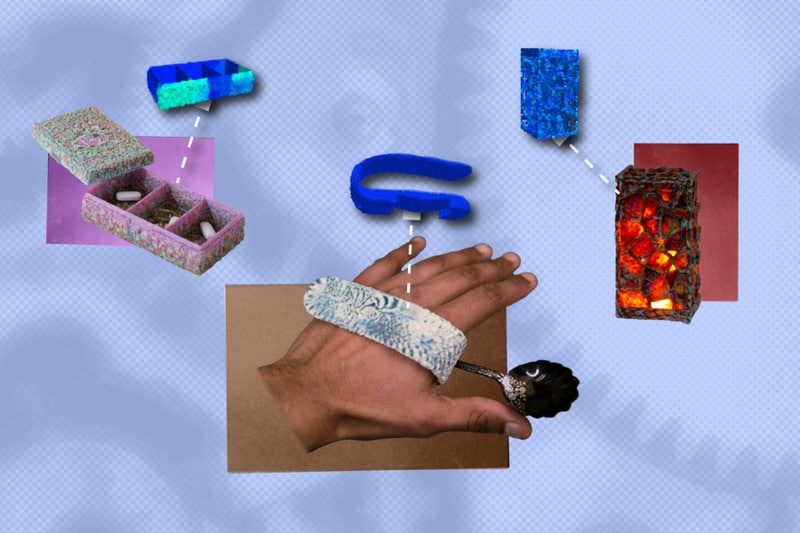
MIT researchers introduced MechStyle, an AI-driven system that lets users personalize 3D models while preserving their real-world durability, featuring integrated physics checks to keep items functional. The tool accepts uploaded models or template shapes such as vases and hooks, then applies text- or image-driven stylization with an eye toward mechanical performance.
MechStyle blends generative AI with finite element analysis (FEA) to simulate stress and identify weak points during redesign, and it offers a quick freestyle visualizer plus a MechStyle mode that enforces structural constraints. Tests on 30 models showed that the approach could dramatically increase structural viability compared with naive stylization, and the team presented the work at ACM’s Symposium on Computational Fabrication.
For consumers and designers, MechStyle means decorative personalization need not sacrifice function: users can craft tactile, stylistic variations that still bear loads and endure daily use, supporting faster prototyping and safer custom items.
Image Credit: MIT
Key Themes Behind This Trend
- AI-guided Structural Stylization
- Custom aesthetics paired with integrated load-verification create room for products that combine expressive design and predictable mechanical performance.
- Integrated Simulation in Design Workflows
- Real-time physics feedback embedded in creative tools reduces uncertainty about functional outcomes and supports a shift toward simulation-first design pipelines.
- Consumer-centric Functional Customization
- Personalized items that retain certified durability suggest new consumer expectations for bespoke products that are both ornamental and reliable.
Where This Applies
- Additive Manufacturing
- Layered fabrication benefits from stylization techniques that preserve structural integrity, enabling higher-value customized parts and parts with guaranteed mechanical properties.
- Consumer Product Design
- Design studios and brands face opportunities to offer ornamented products with assured load-bearing performance, shifting market differentiation toward personalized reliability.
- Prototyping Services
- Rapid-test workflows that combine generative styling with FEA create possibilities for faster validation cycles and more predictable small-batch production outcomes.