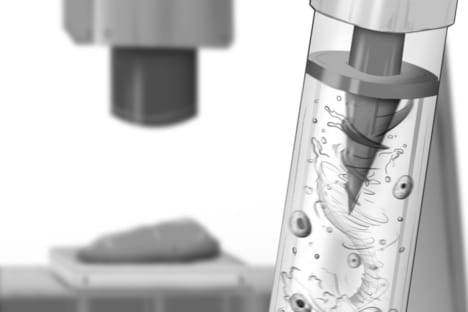
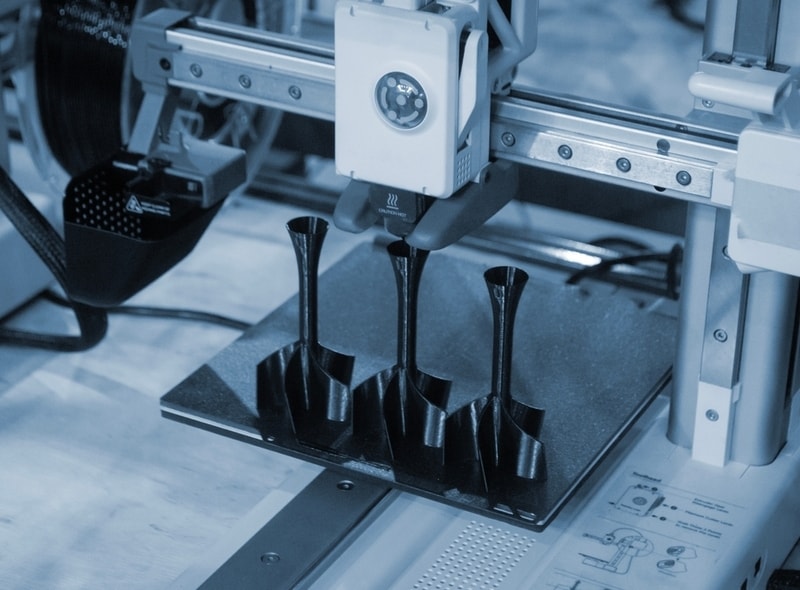
ReMixers introduced a new line of 3D-printed static mixer nozzles designed to combine fluids, pastes and multi-material feeds more thoroughly, featuring novel internal geometries that improve mixing efficiency. The company industrialized production after discovering that additive manufacturing could cut waste and deliver complex internal channels impractical for molding.
ReMixers scaled output using a dedicated print farm and multiple 3D printing technologies to produce millions of mixers, including two-component (2K) variants, while optimizing material use and throughput. For manufacturers, the nozzles promise more consistent blends and less discarded product, lowering cost per part and supporting flexible production runs.
The approach highlights how additive manufacturing can reframe commodity components into performance-driven, low-waste parts for industrial mixing applications.
Image Credit: MarinaGrigorivna / Shutterstock
What's Driving This Trend
- Additive Manufacturing for Functional Components
- A landscape where commodity parts are redesigned as performance-driven components through additive manufacturing, enabling complex internal channels impractical for molding.
- Complex Internal Geometry Optimization
- Novel internal mixer geometries that increase mixing efficiency while minimizing material use and product discard.
- On-demand Print Farm Scaling
- Distributed print-farm networks producing millions of identical and two-component nozzles to support flexible, low-inventory production runs.
Who This Affects Most
- Chemical Processing
- Mixing-critical chemical processes poised to benefit from more consistent blends and lower discard rates due to optimized nozzle geometries.
- Food and Beverage Manufacturing
- High-volume food mixers and fillings where precise multi-material dosing and reduced waste can improve yield and product consistency.
- Medical Device Production
- Production of single-use, multi-component medical components that require complex internal channels and strict material efficiency.