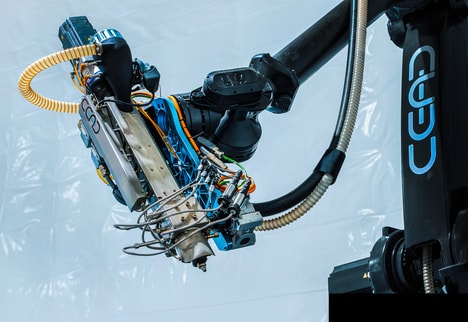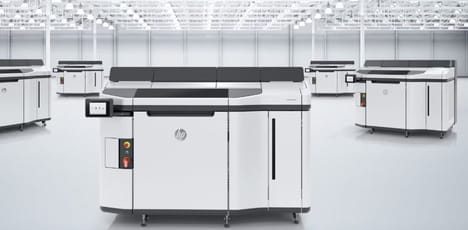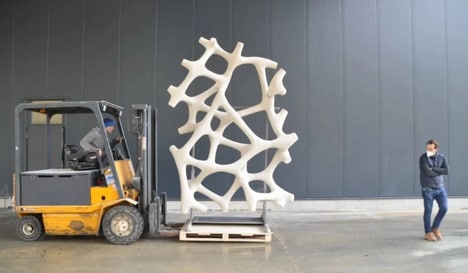

BASF launched the world’s first industrial-scale production plant for 3D-printed catalysts at its Ludwigshafen site on March 20, 2026, featuring the company’s proprietary X3D additive-manufacturing process. X3D fabricates catalysts with engineered geometries that combine mechanical strength and an open internal structure, designed to lower pressure drop and expand active surface area inside reactors.
The plant scales X3D output for a broad range of catalyst types, including precious- and base-metal formulations and multiple support materials, and aims to speed customer access from development to supply. BASF cited existing deployments, such as An Hui Jintung’s 2025 adoption of O4-115 X3D sulfuric acid catalysts, and noted plans for virtual briefings to showcase the technology.
For manufacturers the shift means higher reactor throughput and lower energy use per unit of production, improving process efficiency and material utilization. By industrializing additive catalyst production, BASF has turned a years-long pilot offering into a supply-chain-ready solution that aligns with trends in process intensification and digitalized manufacturing.
Image Credit: BASF
What Makes This Trend Stand Out
- Additive Catalyst Manufacturing
- The transition from pilot to industrial-scale 3D printing of catalysts presents opportunities to rethink catalyst production workflows and decentralize supply for specialized chemistries.
- Engineered Catalyst Geometries
- Custom internal architectures that reduce pressure drop and increase surface area create potential for catalysts that deliver higher throughput and lower energy intensity in existing reactors.
- Digitalized Catalyst Development
- Integration of digital design-to-production pipelines shortens time-to-supply and opens space for simulation-driven, performance-optimized catalyst portfolios.
Sectors Adopting This
- Chemical Manufacturing
- Manufacturers stand to benefit from catalysts that boost process intensification, enabling smaller reactors and improved material utilization across bulk and specialty chemistries.
- Petrochemical and Refining
- Refineries and petrochemical plants may experience lowered energy consumption and increased throughput through adoption of additively produced catalysts with tailored flow and activity profiles.
- Industrial Reactor and Equipment Oems
- Producers of reactors and process equipment could capture value by designing systems optimized for porous, 3D-printed catalyst geometries and related handling requirements.